Defining the MIE7 Revenge Dramashort
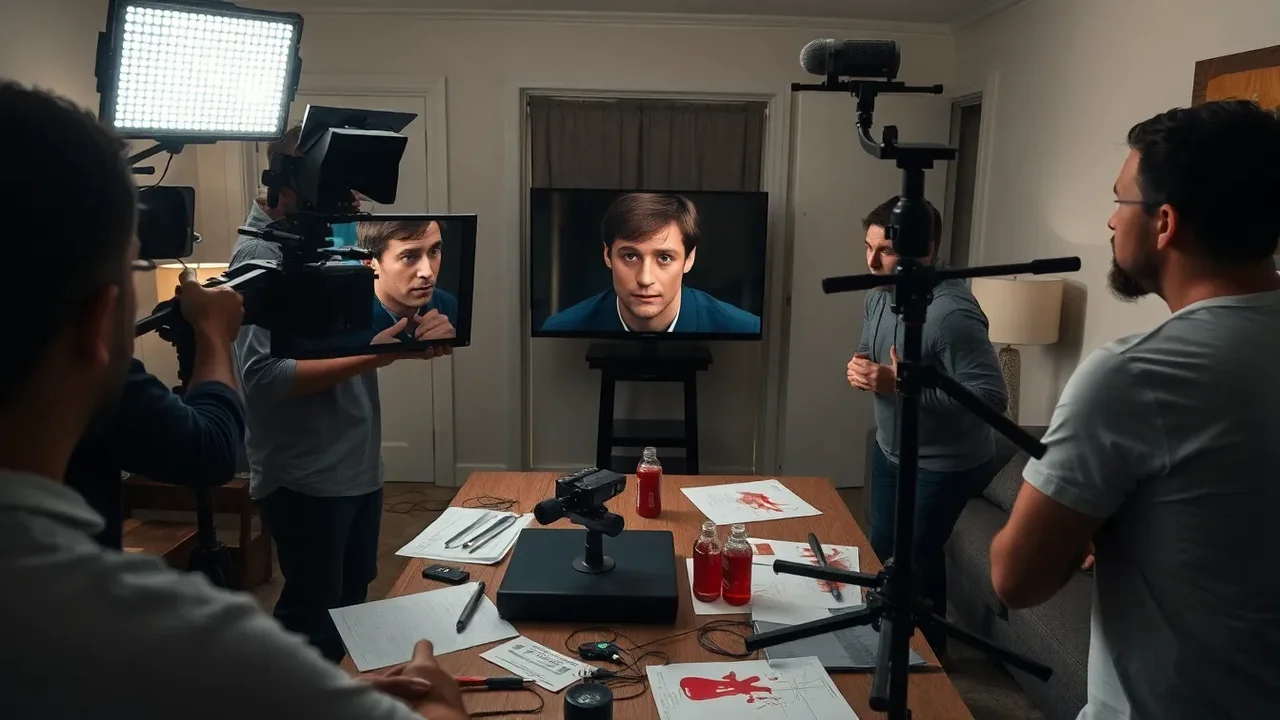
MIE7 is a production framework for seven-episode revenge stories built for vertical video. Each episode runs sixty to ninety seconds. The format prioritizes emotional intensity, rapid reversals, and cliffhanger endings. Producers use MIE7 to test revenge concepts before expanding them into longer series. The behind-the-scenes process begins with a single question: what betrayal justifies a satisfying payback? Writers map the answer across seven beats. Those beats include humiliation, discovery, alliance, setback, confrontation, reversal, and resolution. Every beat must land within a tight runtime. The crew shoots multiple episodes in one location to save money. Actors perform with minimal rehearsal but deep character backstory. Editors cut for thumb-stopping momentum. The result is a compressed revenge narrative that feels larger than its budget.
Scripting the Seven-Beat Revenge Arc
The script for a MIE7 revenge dramashort is not a traditional screenplay. It is a beat sheet with dialogue snippets and visual cues. Writers start by identifying the wound. The wound is the specific harm that fuels the protagonist. Next they define the antagonist's power. Power can be money, reputation, physical strength, or social access. Then they choose the weapon of revenge. The weapon might be a secret, a recording, a public confession, or a quiet act of sabotage. Each episode ends on a question. Will the plan work? Who else is complicit? What will the protagonist lose? The dialogue stays sparse. Subtext carries the weight. A single line like 'You should have checked the cameras' can replace a monologue. Writers also plant props early. A ring, a key, a scar, or a text message becomes a payoff later. The beat sheet is color-coded by emotion. Red marks anger, blue marks grief, yellow marks deception, and green marks resolution. This visual map helps the director and editor maintain tonal consistency across all seven episodes.
Casting for Micro-Expressions and Chemistry
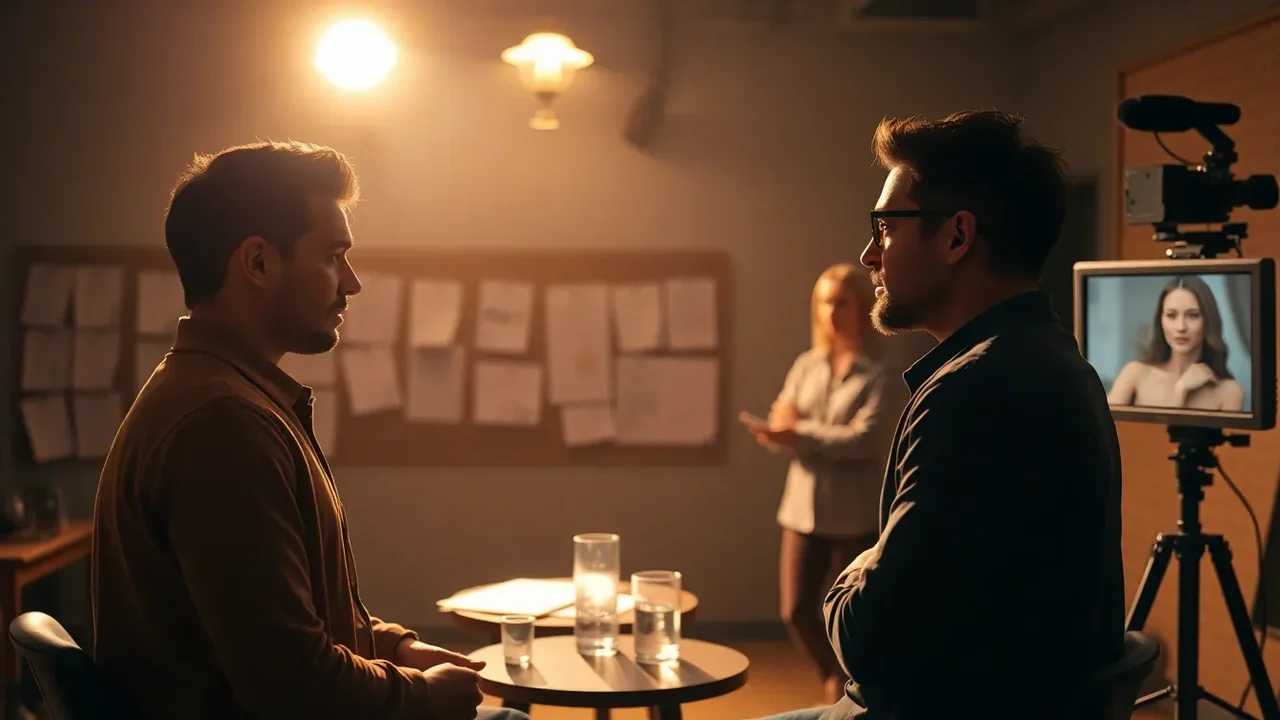
Casting a MIE7 revenge dramashort demands actors who can convey complex emotions in close-up. The camera stays near the face. Every eyebrow twitch and jaw clench becomes a plot point. Casting directors look for performers with strong micro-expression control. They also test chemistry between the protagonist and the antagonist. That chemistry must feel dangerous, not cartoonish. Auditions happen over self-tape. Actors receive two pages of sides and a single direction: 'You just realized who betrayed you.' They must cycle through shock, hurt, calculation, and resolve in fifteen seconds. The best auditions feel like a silent short film. Background actors matter too. They populate the revenge world with witnesses, colleagues, and bystanders. Their reactions can amplify humiliation or triumph. The crew often casts real people from the location to add authenticity. For a restaurant revenge scene, actual servers and cooks appear in the background. This choice reduces cost and increases realism. The casting process ends with a table read that focuses on pacing, not performance. The goal is to hear whether the seven beats land in under ten minutes total.
Location Scouting on a Micro-Budget
Location scouting for a MIE7 revenge dramashort is a game of creative reuse. The crew needs at least three distinct looks: the humiliation site, the planning space, and the confrontation zone. With a micro-budget, those looks often come from one apartment, one parking garage, and one public park. Scouters take photos at different times of day. They note power outlets, natural light, noise levels, and permission requirements. A location that looks perfect at noon may become a nightmare at sunset. The director creates a shot list that matches each location's strengths. For example, a narrow hallway becomes a claustrophobic tracking shot. A rooftop becomes a power-position scene. A car interior becomes a confessional booth. The production manager negotiates favors. They offer credits, food, or small rental fees. Sometimes a local business trades space for on-screen signage. The crew also plans for weather. Rain can ruin a revenge climax, but it can also add production value if covered. A rain machine is cheaper than a rain day. The location scout delivers a binder with maps, contacts, and contingency plans. That binder becomes the backbone of the shooting schedule.
- Key scouting checks: power, light, noise, access, weather, parking, restrooms, backup.
- Negotiation tools: credits, food, signage, small fees, favors.
- Contingency items: rain cover, backup indoor, generator, permits.
Cinematography for Vertical Frames
Vertical cinematography changes every rule of composition. The frame is tall and narrow. Traditional wide shots lose detail. The MIE7 crew favors medium close-ups, over-the-shoulder angles, and top-down inserts. They use the vertical space to stack information. A face at the top, hands in the middle, and a weapon at the bottom can tell a complete story in one frame. Camera operators practice smooth handheld movements. Gimbals help, but slight shake adds urgency. The director of photography chooses a shallow depth of field. This isolates the protagonist from a blurry, hostile world. Lens choices range from twenty-four millimeter for environmental context to eighty-five millimeter for emotional compression. Lighting is often motivated by practical sources. A phone screen, a refrigerator light, or a car headlight becomes the key light. The crew shoots in 4K but frames for 1080p delivery. This allows reframing in post. They also capture vertical B-roll: footsteps, clenched fists, ticking clocks, and text messages. Those inserts become emotional punctuation. The cinematographer keeps a monitor rotated vertically so the whole crew sees the final aspect ratio. This prevents wasted composition and speeds up the shoot.
Lighting the Mood of Betrayal
Lighting a revenge dramashort is about contrast, not brightness. The MIE7 style uses hard shadows and narrow beams. Betrayal scenes often feature split lighting. One side of the face is lit, the other is lost in darkness. This visual metaphor shows a character divided between trust and suspicion. Planning scenes use cooler tones. Blue gels and daylight LEDs create a clinical, calculating atmosphere. Confrontation scenes shift to warmer tones. Amber practicals and firelight suggest rage and release. The gaffer builds a small lighting kit: one bi-color LED panel, one RGB tube, a few diffusion frames, and black wrap. That kit fits in a car trunk. The crew uses negative fill to deepen shadows. A black cloth held just out of frame can sculpt a jawline or hide a tear. Reflections are also important. Mirrors, windows, and screens double the image and suggest duality. A revenge protagonist often stares into a mirror before acting. The lighting team positions a soft source to catch the eye and a hard source to edge the cheek. This creates a glint of determination. The final look is graded in post with lifted blacks and muted midtones. The goal is not realism but emotional precision.
Sound Design and the Silence Before Payback
Sound design in a MIE7 revenge dramashort is half the story. The crew records dialogue with lavalier microphones and a boom for backup. But the most important sounds are often non-verbal. A door click, a phone vibration, a sharp breath, or a glass set down too hard can signal danger. The sound team builds a library of revenge-specific effects. They collect recordings of locks turning, heels on concrete, paper tearing, and matches striking. During the mix, they use silence as a weapon. Just before the payback, all ambient sound drops out. The audience hears only the protagonist's heartbeat. Then the revenge lands with a sudden, loud impact. This contrast creates a physical reaction. Music and sound effects trade places. Sometimes a low drone replaces a score. Sometimes a single piano note cuts through noise. The dialogue editor removes breaths and mouth clicks to keep the track clean. The foley artist performs footsteps and cloth movements in sync with the picture. The final mix is optimized for mobile speakers. That means mid-range frequencies are boosted, and sub-bass is controlled. The sound designer tests the mix on a phone, a laptop, and earbuds. If the revenge twist is not clear on a phone speaker, the mix is not finished.
Editing the MIE7 Rhythm
Editing a MIE7 revenge dramashort is a rhythm exercise. The editor receives footage for seven episodes, each under ninety seconds. The first assembly often runs long. The editor cuts every frame that does not advance emotion or plot. They use jump cuts to compress time. They use match cuts to link a falling glass to a falling reputation. They use split screens to show simultaneous planning and betrayal.
| Episode | Beat | Function |
|---|---|---|
| One | Hook | Three-second shock |
| Two | Wound | Deepen betrayal |
| Three | Ally | Introduce help |
| Four | Stakes | Raise danger |
| Five | False victory | Mislead audience |
| Six | Trap | Reveal setup |
| Seven | Revenge | Execute and scar |
The editor works with a temp score and temp sound effects. This helps producers feel the pacing before final audio. They also create multiple versions of each episode. One version is for TikTok, one for Reels, one for YouTube Shorts. Each platform has different retention curves. The editor adjusts the first frame, the caption timing, and the loop point. A perfect loop can double watch time. The final export uses H.264, vertical 1080x1920, and a loudness target of minus fourteen LUFS. The editor delivers a master file plus platform-specific cuts. This behind-the-scenes workflow turns raw footage into a scroll-stopping revenge machine.
Visual Effects and Practical Stunts
MIE7 revenge dramashorts rarely use heavy visual effects. The budget favors practical stunts and in-camera tricks. A slap, a shove, a broken glass, or a car door slam can be staged safely with the right coordination. The stunt coordinator rehearses every move. They use mats, padding, and camera angles to hide impact. For a punch, the camera shoots from behind the attacker. The actor sells the hit with a head snap and a sharp breath. For a fall, the crew uses a low platform and a cutaway. Blood is usually fake and edible. The makeup artist mixes corn syrup, food coloring, and water. They test it on camera because red looks different under LED lights. Visual effects are reserved for screen inserts. A text message, a call log, or a social media post is created in post. The editor tracks the phone screen and replaces it with a clean graphic. This avoids glare and privacy issues. The VFX artist also removes boom poles, light stands, and safety pads. They add subtle atmosphere like rain, smoke, or lens flares. The goal is invisible effects. If the audience notices the VFX, the revenge feels less real. The behind-the-scenes rule is simple: practical first, digital second, and safety always.
Music and the Revenge Theme
Music in a MIE7 revenge dramashort does not need a full orchestra. It needs a motif. The composer creates a three-note theme that represents the protagonist's wound. That theme appears in different forms. In episode one, it is played on a music box. In episode three, it becomes a low synth pulse. In episode five, it is distorted and aggressive. In episode seven, it resolves into a single sustained cello note. This transformation mirrors the character arc. The composer also uses silence as a musical choice. A sudden cut to no music can be more powerful than a crescendo. The production team licenses royalty-free tracks for temp edits. Then the composer replaces them with original stems. They deliver separate tracks for dialogue, music, and effects. This allows the editor to remix for different platforms. The music supervisor also prepares alternate versions. A TikTok version might start with the hook immediately. A YouTube Shorts version might build slower. The final mix balances the theme against sound effects. The revenge moment often lands on a downbeat. The composer avoids lyrical music because lyrics compete with dialogue. Instead, they use vocal textures, breath, and wordless harmonies. The goal is to make the audience feel the payback before they understand it. The behind-the-scenes music process is iterative. The composer watches the edit five times, then writes, then rewrites. The final theme becomes the sonic signature of the MIE7 revenge dramashort.
Production Design and Wardrobe Codes
Production design in a MIE7 revenge dramashort communicates power and vulnerability without dialogue. The protagonist often starts in soft, neutral clothing. As the revenge plan progresses, their wardrobe becomes sharper. Colors shift from beige and gray to black and deep red. The antagonist wears symbols of status: a gold watch, a tailored blazer, or expensive shoes. These items become targets. The production designer places props that tell the backstory. A family photo with a torn corner. A unpaid bill on the counter. A child's drawing on the refrigerator. These details create empathy in seconds. The set is often a single apartment. The crew rearranges furniture to create different rooms. A couch becomes a bed. A table becomes a desk. A curtain becomes a room divider. The art team uses removable wall decals, posters, and plants to change the mood. Wardrobe continuity is tracked with photos and notes. A missing ring or a changed shirt can break the timeline. The costume designer also prepares multiples of key items. If blood, water, or food stains a shirt, the crew swaps it instantly. The final look is cohesive but not expensive. The behind-the-scenes design philosophy is: every object must either reveal character or serve the revenge. If it does neither, it is removed from the frame.
Directing Actors Through Rapid Turns
Directing a MIE7 revenge dramashort requires speed and emotional precision. The director cannot spend hours on a single scene. They must communicate the emotional beat in one or two sentences. For example: 'You just found the receipt. You are not angry yet. You are cold.' Actors respond to active verbs. The director avoids abstract notes like 'be more sad.' Instead they say 'hold your breath,' 'look away,' or 'let your hand shake.' The blocking is simple but purposeful. The protagonist often moves from left to right when taking control. The antagonist moves from right to left when losing power. The director uses close-ups for internal moments and two-shots for power struggles. They also shoot inserts early because they are quick and useful. The director watches the monitor vertically and calls cuts quickly. They trust the editor to find the performance. On set, the director creates a safe space for revenge scenes. Revenge can trigger real emotions. The director checks in with actors before and after intense takes. They also use a closed set for sensitive moments. The behind-the-scenes directing style is collaborative but decisive. The director asks for one more take only if it adds a new emotional color. Otherwise, they move on. This pace keeps the crew energized and the budget intact.
On-Set Safety and Intimacy Coordination
Safety is non-negotiable on a MIE7 revenge dramashort. Revenge stories often include physical aggression, emotional abuse, and simulated violence. The production hires a stunt coordinator and, when needed, an intimacy coordinator. Before shooting, the team holds a safety meeting. They walk through every risky action. They identify emergency exits, first aid kits, and communication signals. Actors agree on boundaries in advance. They use safe words and check-ins. For a slap, the actors rehearse the distance and angle. The camera hides the contact. For a choke, the actor holds their own breath. The other actor does not apply pressure. For a fall, the crew uses pads and spotters. The director never pressures an actor to perform beyond their comfort. The intimacy coordinator choreographs close physical scenes like a dance. Every touch is scripted and consented. The crew also monitors mental health. Revenge scenes can bring up real trauma. The production offers breaks, water, and quiet spaces. The first assistant director keeps the set calm and professional. They limit the number of people in the room during sensitive takes. The behind-the-scenes safety culture protects the art and the people. A safe set is a creative set. When actors feel secure, they take risks that make the revenge feel authentic. The final product is stronger because no one was harmed.
Marketing the Revenge Dramashort
Marketing a MIE7 revenge dramashort begins before the final cut. The team captures behind-the-scenes content during production. They shoot vertical interviews, makeup transformations, and stunt rehearsals. These clips build anticipation and humanize the cast. The social media manager creates a content calendar. They post teasers, character posters, and countdowns. They also design hooks for the first three seconds. A hook might be a slap, a whispered threat, or a text message that reads 'I know what you did.' The marketing team tests different captions and thumbnails. They use A/B testing on paid ads. They target audiences who watch revenge dramas, true crime, and soap operas. Influencers receive early access. They post reactions and duets. The cast engages with comments to boost the algorithm. The team also prepares a press kit. It includes stills, bios, and a synopsis for each episode. They pitch to short-form film festivals and digital magazines. The behind-the-scenes story itself becomes marketing. Audiences love to see how a low-budget revenge short was made. A single TikTok about a fake blood recipe can reach more people than the trailer. The marketing plan is not separate from production. It is baked into every shoot day. The crew shoots vertical B-roll specifically for social media. The editor cuts a trailer while editing the episodes. The release feels like an event, not an upload.
Release Strategy and Platform Algorithms
The release strategy for a MIE7 revenge dramashort depends on platform algorithms. Each platform rewards different behaviors. TikTok favors watch time, rewatches, shares, and comments. YouTube Shorts favors swipe-away rate and loop views. Instagram Reels favors saves and sends. The production team schedules episodes across a two-week window. They release one episode every other day. This keeps the audience engaged without overwhelming them. They post at peak hours based on analytics. They also cross-post with platform-specific edits. The first episode ends with a cliffhanger. The second episode answers one question and asks another. The final episode includes a call to action: follow for more MIE7 stories. The team monitors comments for feedback. If a particular character resonates, they create bonus content. If a plot point confuses viewers, they clarify in a pinned comment. They also use analytics to decide whether to produce a sequel. A successful MIE7 revenge dramashort can lead to a longer series, a brand deal, or a festival run.
FAQ - Behind the Scenes of a MIE7 Revenge Dramashort
What is a MIE7 revenge dramashort?
A MIE7 revenge dramashort is a seven-episode vertical micro-series focused on betrayal and payback. Each episode runs sixty to ninety seconds and ends with a cliffhanger to drive platform engagement.
How long does it take to produce one?
Pre-production usually takes one to two weeks, principal photography two to four days, and post-production one to two weeks. The total timeline depends on cast availability, location access, and visual effects complexity.
What budget is needed for a MIE7 revenge dramashort?
Budgets range from micro to low. Many creators use one apartment, one public location, a small LED kit, and a two-person crew. Costs go toward food, permits, props, wardrobe, and post-production software.
How do you handle safety during revenge scenes?
Productions hire a stunt coordinator and sometimes an intimacy coordinator. They rehearse all physical actions, use pads and camera angles, set boundaries, and use safe words. Mental health check-ins are also important.
Which platforms work best for MIE7 revenge dramashorts?
TikTok, YouTube Shorts, and Instagram Reels are the primary platforms. Each rewards different metrics, so editors create platform-specific cuts, hooks, captions, and loop points to maximize reach.
Can a MIE7 revenge dramashort become a longer series?
Yes. Strong engagement, shares, and saves can justify expanding the concept into a longer vertical series, a brand partnership, or a festival submission. Analytics and audience comments guide that decision.
Behind the scenes of a MIE7 revenge dramashort reveals a fast vertical production process: seven-beat scripts, micro-budget locations, close-up acting, practical stunts, mobile-first sound, and platform-specific editing. Safety, marketing, and algorithm-aware release strategies turn a low-budget revenge story into a scroll-stopping series.
Behind the scenes of a MIE7 revenge dramashort is a fast, collaborative, and emotionally precise process. From seven-beat scripting and vertical cinematography to safe stunts, mobile-first sound, and algorithm-aware release strategies, every department works to deliver maximum impact in minimal runtime. The format proves that revenge stories do not need big budgets to feel powerful. They need clear wounds, sharp turns, and a crew that respects both the craft and the people on set.