Friday Night Preproduction
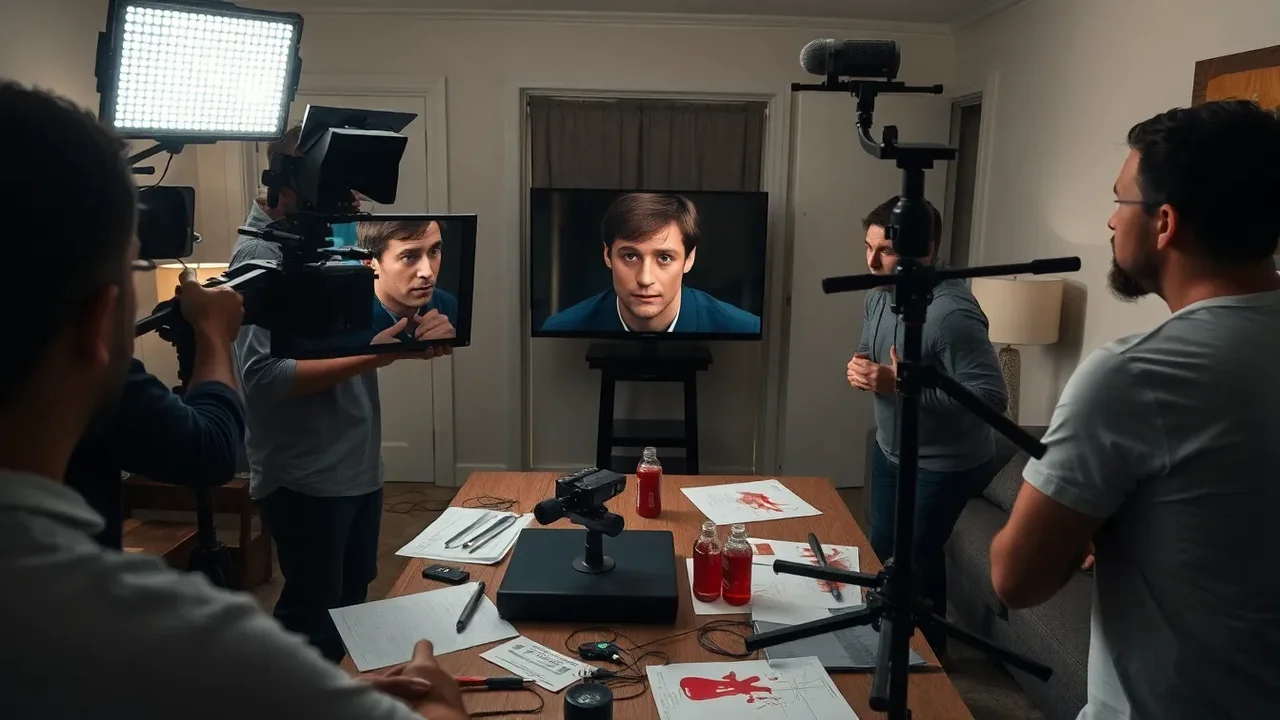
MIE7 starts the weekend on Friday at 7 PM with a two-hour writers room. The team agrees on one dramatic question, two characters, and one location. They write a script that can be shot in six hours. The script is printed and never changed after midnight. Roles are assigned: director, camera, sound, and editor. A shot list is created with 12 to 18 setups. The team checks weather, batteries, and props. By 10 PM, everyone knows the first shot of Saturday.
Saturday Morning Setup
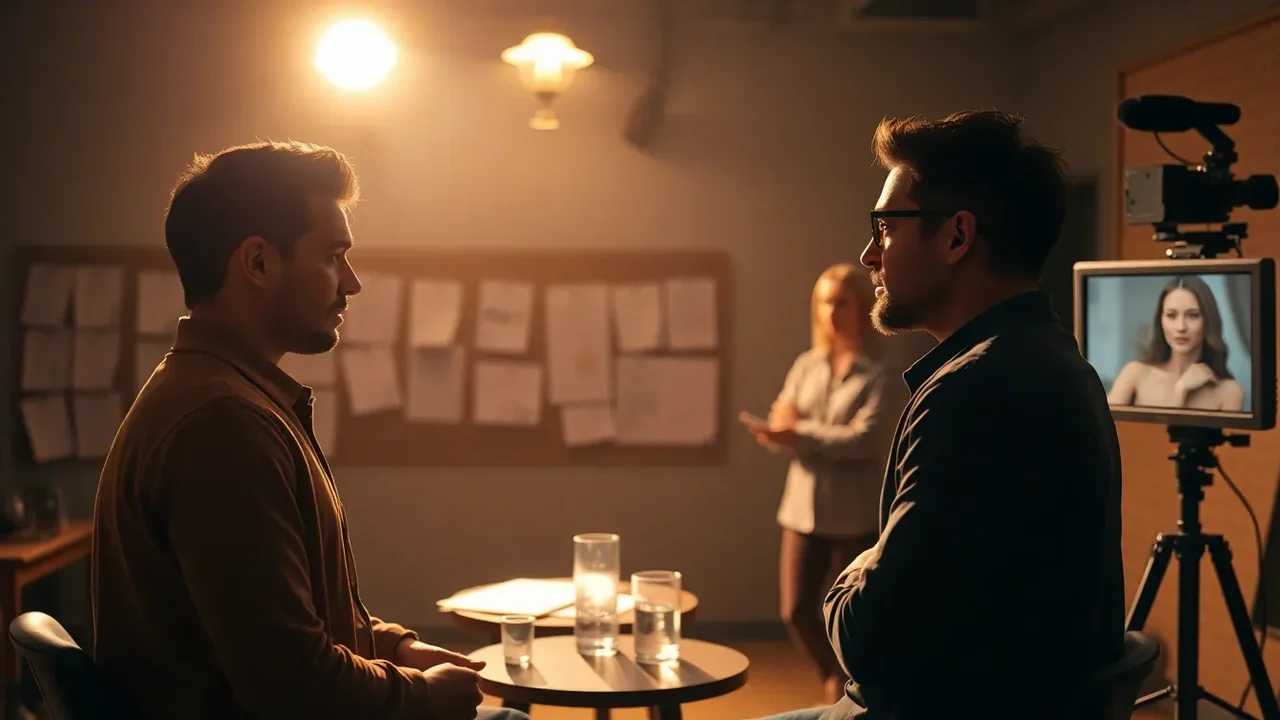
Call time is 7 AM. MIE7 uses natural light and one practical lamp. The camera is a mirrorless body with a 35mm lens. Sound is recorded on a boom and a lavalier. The crew rehearses the first scene twice, then rolls. They shoot wide, medium, and close-up for each beat. No coverage is wasted. Lunch is 30 minutes. By 4 PM, principal photography wraps. The footage is backed up on two drives.
Saturday Afternoon Pickups
If a scene is missing, MIE7 shoots a pickup immediately. They do not wait for Sunday. The director watches playback only for technical issues, not performance perfection. The goal is emotional truth, not polish. A simple table keeps the day on track.
| Time | Task | Owner |
|---|---|---|
| 7:00 | Load in and light | Camera |
| 8:00 | Scene 1 and 2 | Director |
| 12:00 | Lunch and backup | Editor |
| 1:00 | Scene 3 and 4 | Sound |
| 4:00 | Wrap and transfer | All |
Sunday Edit Sprint
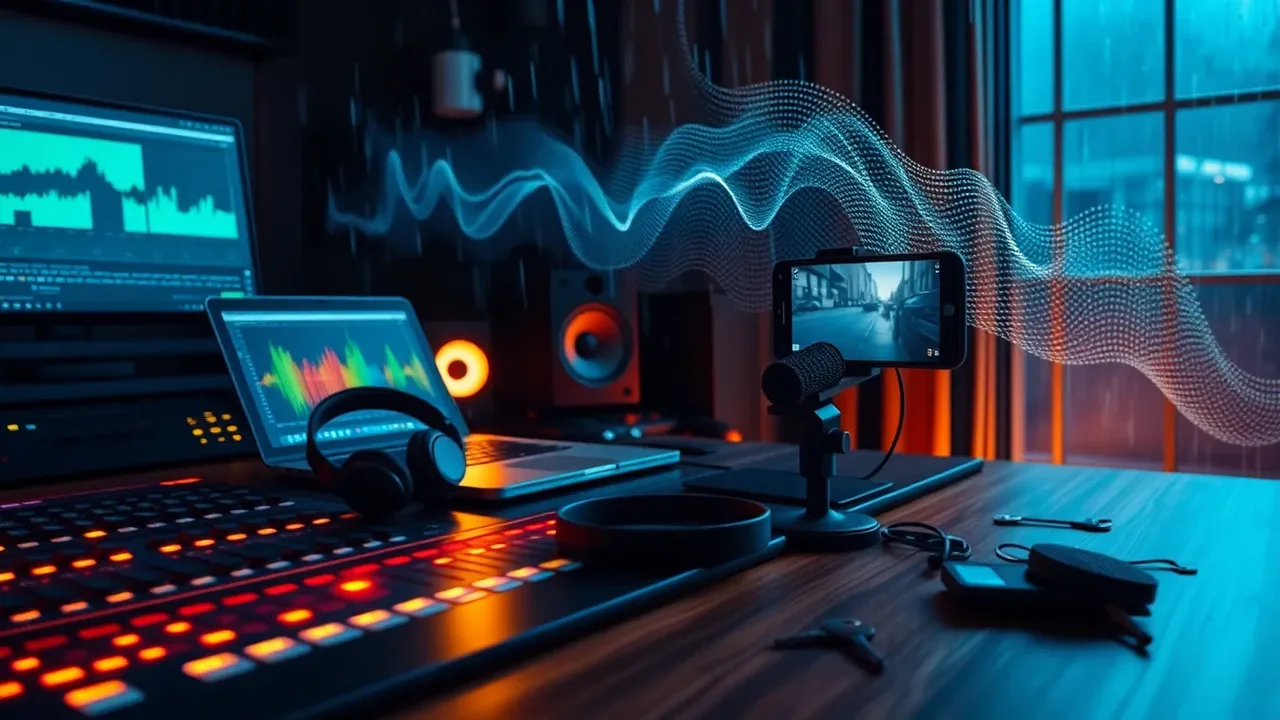
Sunday begins at 8 AM. The editor assembles a rough cut by 10 AM. The director gives notes only on story and pacing. Music is chosen from a royalty-free library. Sound effects are added for doors, footsteps, and room tone. Color grading is simple: contrast, warmth, and skin tone. The final export is uploaded by 6 PM. The team watches together once, then releases the dramashort.
Essential Gear List
- Mirrorless camera with two batteries
- 35mm and 50mm lenses
- Boom pole and shotgun mic
- Lavalier microphone and recorder
- Two SD cards and two hard drives
- LED panel and diffusion
- Reflector and black cloth
- Tripod and slider
Rules That Keep MIE7 Fast
MIE7 follows five rules. First, no new locations after Friday. Second, no more than three takes per setup. Third, the editor starts cutting during lunch. Fourth, everyone carries equipment. Fifth, the film must be under ten minutes. These rules remove debate and protect creativity. The weekend becomes a game, not a crisis.
Common Problems and Fixes
Rain is handled with a covered porch. An actor forgetting lines is solved by cutting dialogue. A dead battery is avoided by rotating two cameras. A noisy street is fixed with room tone and ADR. A missing shot is covered with a close-up of hands or eyes. MIE7 always has a backup plan because the clock never stops.
Why It Works
The one-weekend dramashort works because it limits choices. Actors feel free because they cannot overprepare. The crew moves fast because roles are clear. The story stays simple because there is no time for subplots. The final film may not be perfect, but it is finished. For MIE7, finished is the only goal that matters.
FAQ - How MIE7 Films a Dramashort in One Weekend
How long does MIE7 take to film a dramashort?
MIE7 films the entire dramashort in one weekend: Friday night for preproduction, Saturday for principal photography, and Sunday for editing, sound, and color.
What equipment does MIE7 use for a weekend shoot?
MIE7 uses a mirrorless camera, two lenses, a tripod, a shotgun mic, a lavalier, an LED panel, a reflector, two SD cards, and two hard drives. The gear fits in two bags.
How does MIE7 keep the shoot on schedule?
MIE7 uses a strict shot list, a 30-minute lunch, no more than three takes per setup, and a rule that no new locations are added after Friday night.
Can a one-weekend dramashort look professional?
Yes. With natural light, clean sound, simple color grading, and a strong story, a weekend dramashort can feel intimate and professional. MIE7 prioritizes emotional truth over expensive polish.
What is the biggest challenge in a weekend film?
The biggest challenge is time. MIE7 solves it by limiting the script to two actors and one location, assigning clear roles, and starting the edit before the shoot ends.
MIE7 films a dramashort in one weekend by locking a simple script on Friday, shooting with natural light and two actors on Saturday, then editing, sound designing, and color grading on Sunday. The team uses strict time blocks, minimal gear, and clear roles to deliver an emotional short film fast.
MIE7 proves that a powerful dramashort does not need months of production. With a clear Friday blueprint, a focused Saturday shoot, and a fast Sunday edit, the team turns a single weekend into a finished film that connects with audiences.