Understanding Dramashorts and Tension
Dramashorts are short-form vertical videos built on conflict, emotion, and rapid payoffs. Tension is the invisible thread that keeps viewers from swiping away. In editing, tension is not just loud music or fast cuts. It is the strategic control of information, time, and release. Every cut, pause, and sound cue either tightens the spring or lets it go slack.
The Psychology of Tension in Short-Form Drama
Viewers stay when they feel an unresolved question. That question can be romantic, dangerous, or moral. The editor's job is to protect that question and delay its answer. We use anticipation, uncertainty, and empathy as the three pillars of tension. Anticipation makes the audience lean forward. Uncertainty makes them guess. Empathy makes them care about the outcome.
- Anticipation: Show a hand reaching for a door before we know who is behind it.
- Uncertainty: Cut away before a character answers a life-changing question.
- Empathy: Hold on a close-up of a trembling lip before the confrontation.
Editing Rhythm and Pacing
Pacing in dramashorts is not constant speed. It is a wave. We start with a steady rhythm, then tighten cuts as the conflict escalates. A common mistake is cutting fast from the first second. That exhausts the viewer. Instead, we establish a baseline, then subtract frames from each shot. A 2-second shot becomes 1.5 seconds, then 1 second, then half a second. The acceleration itself becomes a signal that something is about to break.
| Phase | Average Shot Length | Tension Goal |
| Setup | 2.0–3.0 seconds | Establish normalcy and a subtle unease |
| Escalation | 1.0–1.5 seconds | Increase pressure and interrupt comfort |
| Climax | 0.3–0.8 seconds | Overwhelm with rapid emotional beats |
| Release | 1.5–2.5 seconds | Let the audience breathe, then loop |
Sound Design as a Tension Multiplier
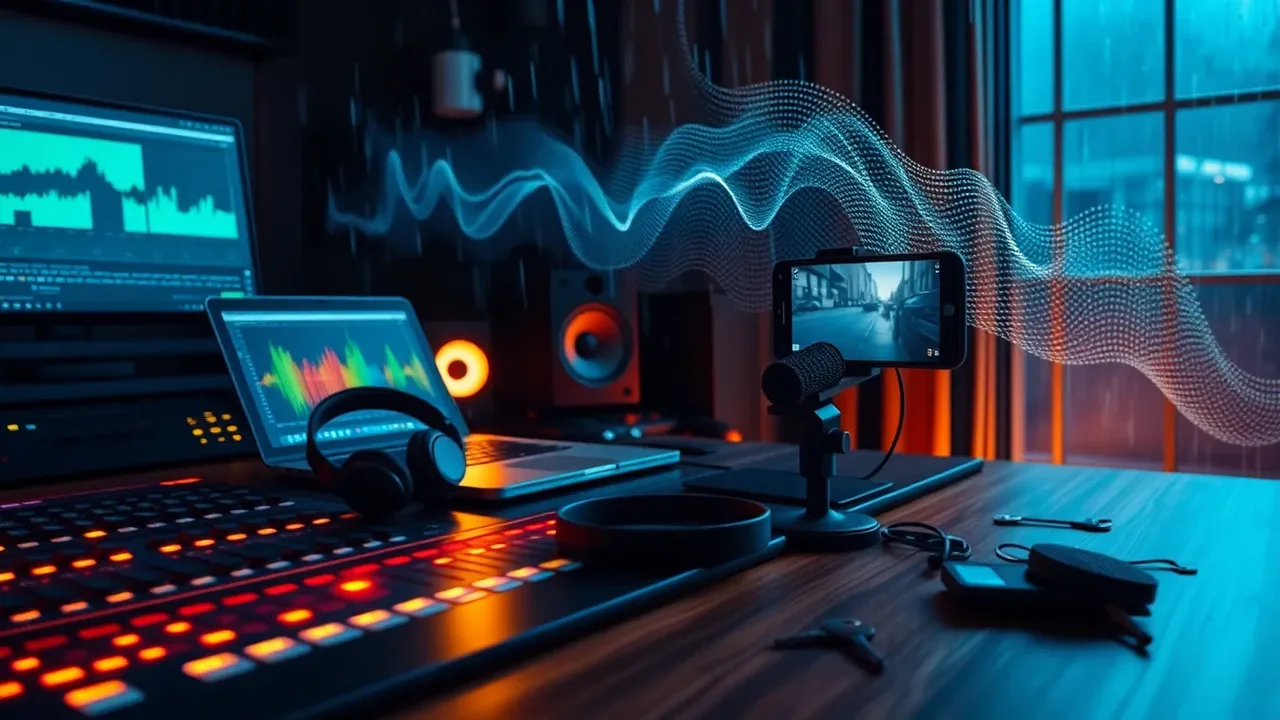
Sound is often more powerful than picture for tension. We layer three tracks: dialogue, diegetic sound, and a tension bed. The tension bed can be a low drone, a ticking clock, or a reversed cymbal. We avoid full melodies during conflict because melody resolves emotion too early. Instead, we use risers, sub-drops, and silence. A sudden silence before a slap or a confession can be louder than any score.
Visual Language and Framing
Vertical framing changes how we create claustrophobia. We use tight close-ups to trap the viewer with a character's fear. We use negative space above the head to suggest vulnerability. We use over-the-shoulder shots to make the audience complicit. When tension peaks, we break the established framing. A sudden wide shot can feel like abandonment. A dutch angle can feel like psychological collapse.
Cutting on Emotion, Not Just Action
Action matching is useful, but emotional matching is stronger. We cut when a character's feeling changes, not when a punch lands. If a character realizes they have been betrayed, we cut on the exact frame their eyes shift. That micro-moment is the real cliffhanger. We also use J-cuts and L-cuts to overlap sound and image, creating a sense that the past is bleeding into the present.
The Role of Withholding and Reveal
Tension lives in what we do not show. We withhold the face of a caller, the contents of a letter, or the identity of a intruder. Each withheld detail is a debt the edit promises to pay. The reveal must be delayed until the last possible second, but not so late that the viewer feels cheated. We test reveals by asking: does this answer create a new question? If not, the tension dies.
Micro-Cliffhangers and Loopability
Dramashorts often loop. The ending should feel like a beginning. We place a micro-cliffhanger in the final two seconds: a door opening, a phone buzzing, a whispered name. When the video loops, that final beat becomes the first beat of the next viewing. This creates a psychological loop that increases watch time and comments.
Practical Workflow for Maximum Tension
- Script breakdown: Mark every question, secret, and threat.
- Assembly: Build the scene without music to see if the story holds.
- Tension pass: Remove any shot that does not increase or release pressure.
- Sound pass: Add drones, ticks, and silence before adding score.
- Rhythm pass: Trim frames from each shot toward the climax.
- Reveal pass: Delay key information by 0.5–2 seconds.
- Loop pass: Make the last frame echo the first.
Common Mistakes That Kill Tension
Over-explaining is the fastest way to lose tension. If a character says exactly what they feel, the audience has nothing to interpret. Another mistake is cutting away too early from a reaction. The reaction shot is where the audience feels the stakes. We also avoid symmetrical editing during conflict. Symmetry feels safe. Tension needs imbalance.
Case Study: A 60-Second Confrontation
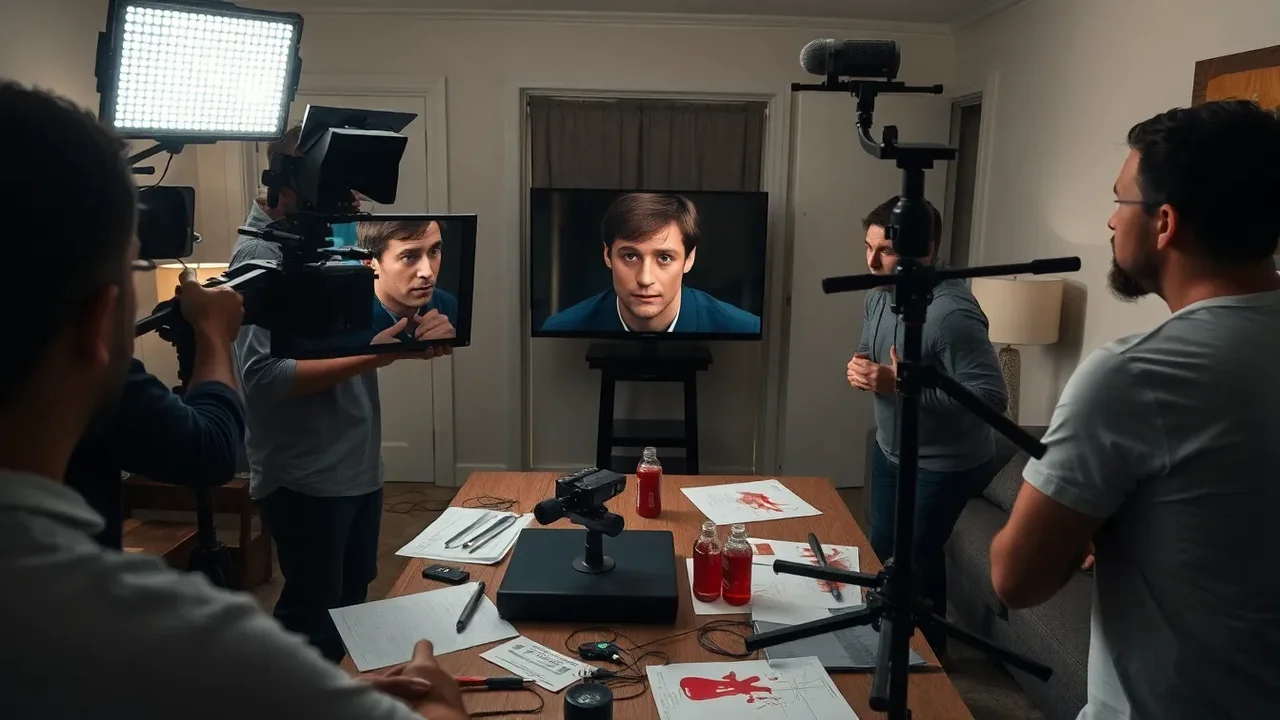
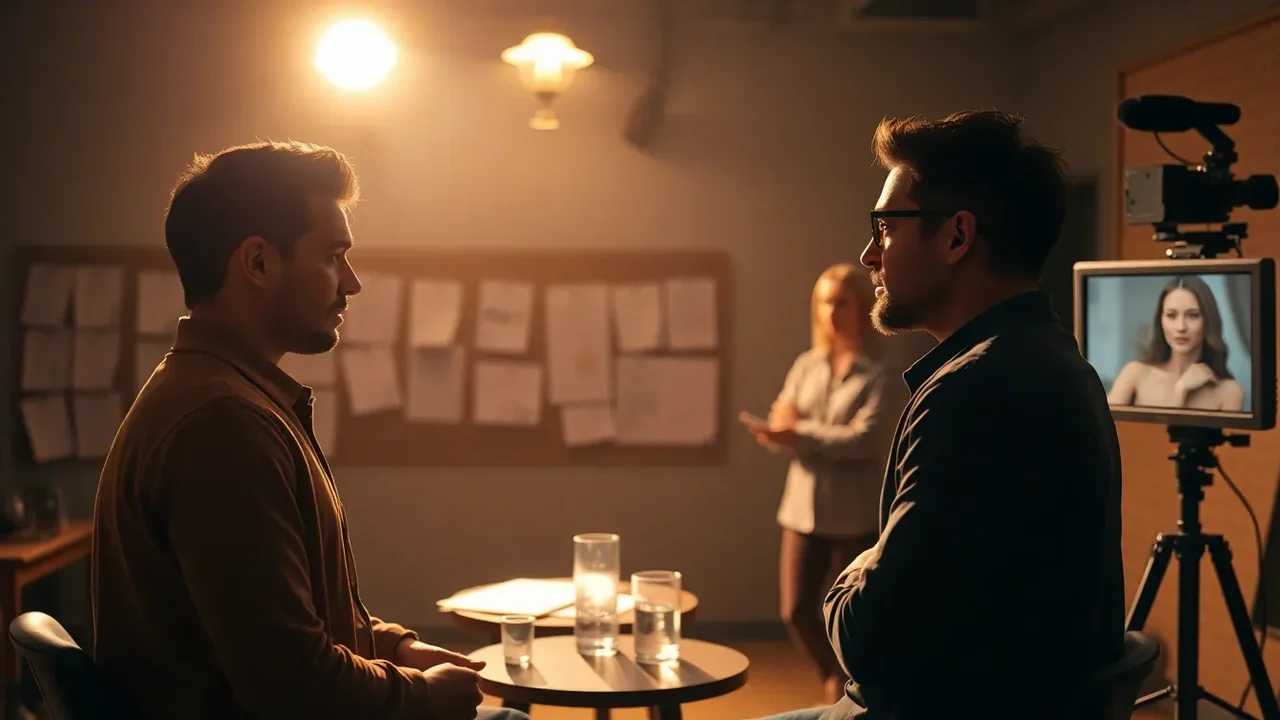
In one dramashort, a woman confronts her partner about a hidden phone. The edit begins with a 2.5-second wide shot of the room. We hear only a clock. She asks, 'Who is she?' He pauses. We cut to her hand gripping a chair. We cut to his eyes. We cut to the phone screen, but blur the name. The music is a low pulse. At 40 seconds, we cut to black for half a second. Then we hear a whisper. The final shot is her face, not his answer. That missing answer is the tension.
Tools and Techniques
We use editing software with precise frame control. Markers help track tension beats. We use color grading to shift from warm to cold as trust breaks. We use speed ramps sparingly; they can feel gimmicky. The best tool is restraint. A long hold on a face can be more suspenseful than ten quick cuts.
Measuring Tension and Iterating
We test edits with small audiences and watch where they scroll. If they drop at a certain second, we ask what question was answered too soon. If they rewatch, we study the loop point. Analytics like average view duration and rewatch rate tell us if the tension worked. We then re-edit, tightening the setup and delaying the reveal.
Advanced Techniques for Experienced Editors
We use subtextual cuts by matching shapes or colors between scenes to create unconscious unease. We use off-screen sound to imply danger without showing it. We use frame holds on a single expression while dialogue continues, forcing the viewer to read the face. We also experiment with asynchronous sound, where audio from the next scene arrives early, creating a sense of dread.
Ethical and Emotional Responsibility
Tension should serve the story, not manipulate for clicks. We avoid exploiting real trauma or reinforcing harmful stereotypes. The goal is catharsis, not cruelty. When tension is built on character truth, the release feels earned. When it is built on shock alone, the audience feels used.
Final Checklist Before Export
- Does every cut either tighten or release tension?
- Is there at least one withheld reveal?
- Does the sound design include silence?
- Does the final frame create a new question?
- Would the scene still work without music?
- Is the emotional truth clear, even if the plot is ambiguous?
Editing dramashorts for maximum tension is a discipline of subtraction. Remove the obvious, delay the answer, and trust the audience to lean in. The best edit is the one that makes a 60-second story feel like a held breath.
FAQ - How We Edit Dramashorts for Maximum Tension
What is the most important editing technique for tension in dramashorts?
The most important technique is withholding information. Delay the answer to the central question as long as possible, then reveal it at the last moment. This keeps viewers leaning forward and prevents them from swiping away.
How does pacing affect tension in short-form drama?
Pacing should accelerate gradually. Start with longer shots to establish normalcy, then shorten shot lengths as conflict escalates. A sudden silence or a held reaction shot can also spike tension more effectively than constant fast cuts.
Why is sound design critical for dramashort tension?
Sound creates emotional pressure that visuals alone cannot. Low drones, ticking clocks, risers, and strategic silence can make a simple conversation feel dangerous. Avoid full melodies during conflict because they resolve emotion too early.
How do you end a dramashort to maximize tension and loopability?
End on a micro-cliffhanger that creates a new question. A door opening, a phone buzzing, or a whispered name can make the final frame feel like the first frame of the next loop. This increases rewatches and comments.
What common editing mistake kills tension in dramashorts?
Over-explaining kills tension. If a character states exactly what they feel or what will happen, the audience has nothing to interpret. Also, cutting away too early from a reaction shot removes the emotional stakes.
Can you edit for tension without music?
Yes. In fact, editing without music first is a best practice. If the scene holds tension through performance, framing, and diegetic sound alone, then music becomes a multiplier rather than a crutch.
Learn how to edit dramashorts for maximum tension using withheld reveals, accelerating pacing, strategic silence, emotional cuts, and loopable micro-cliffhangers. This guide covers sound design, visual framing, practical workflows, common mistakes, and advanced techniques to keep viewers leaning in.
Editing dramashorts for maximum tension is about control: control of information, rhythm, sound, and emotion. By withholding reveals, accelerating pacing, using silence, and ending on a loopable question, editors can turn a 60-second story into a held breath. The goal is not to shock, but to make the audience feel the weight of every unresolved moment.