Core Lighting Philosophy in MIE7 Dramashort Cliffhangers
Contrast as a Cliffhanger Tool
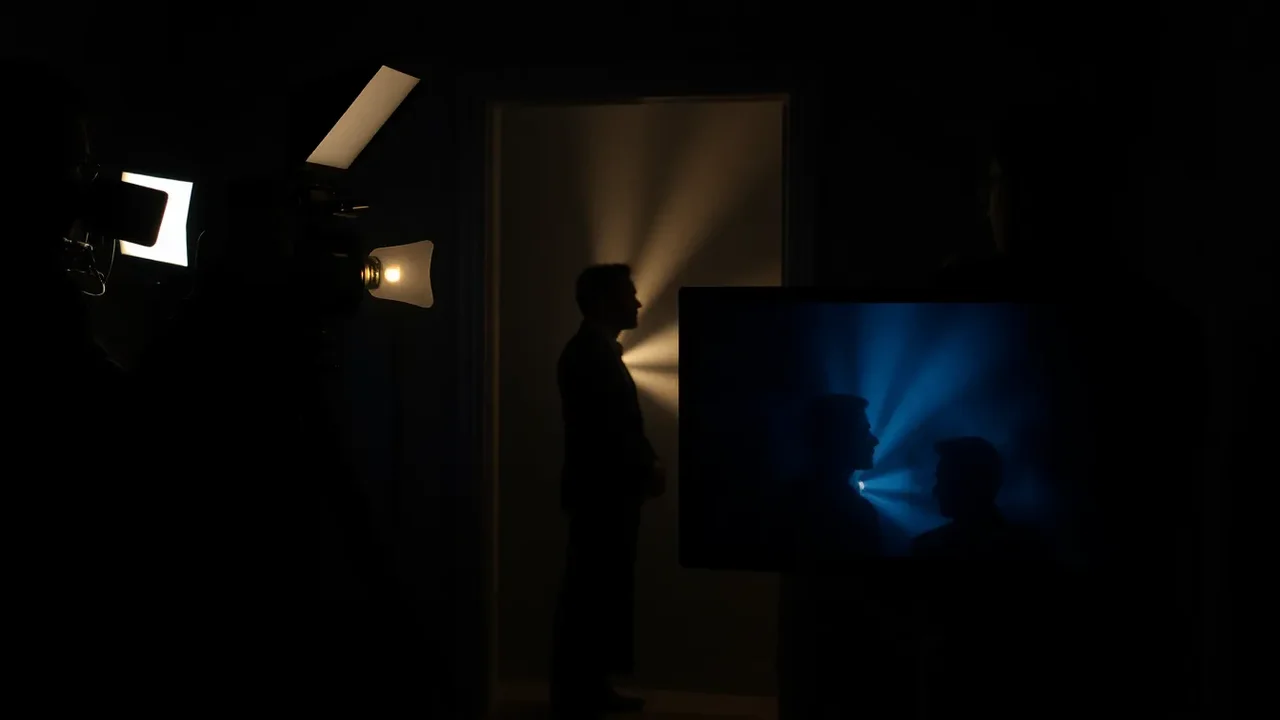
MIE7 dramashort cliffhangers rely on lighting as a narrative accelerant. Unlike feature films, these shorts must hook viewers before they scroll away. Lighting becomes a rapid emotional shorthand. A single shadow can imply danger, while a warm glow can suggest safety. The cliffhanger depends on visual imbalance. When the frame is balanced, the audience feels calm. When the frame is unbalanced, the audience feels tension. MIE7 directors use contrast to create that imbalance in seconds. High contrast ratios push characters into pools of light and darkness. When a secret is about to be revealed, the DP may drop the key light and let the face fall into shadow. This creates a visual cliffhanger because the audience cannot fully read the emotion. The next scene then resolves or complicates that darkness.
Hard Light and Fractured Frames
Hard light is another staple of MIE7 dramashort cliffhangers. Hard sources create sharp, defined shadows. In MIE7 shorts, hard light often slices across a character's eyes or mouth. This fragmentation suggests a fractured identity or hidden motive. The cliffhanger moment frequently uses a hard slash of light to separate two lovers or allies. The audience feels the cut before the dialogue explains it. Hard light can also be used to create a visual barrier. A sharp shadow line across a doorway can feel like a prison bar. When a character steps across that line, the cliffhanger shifts from safety to danger. The DP may use a bare bulb, a fresnel, or a focused LED to achieve this effect. The key is to keep the shadow edge crisp and deliberate.
Soft Light as False Comfort
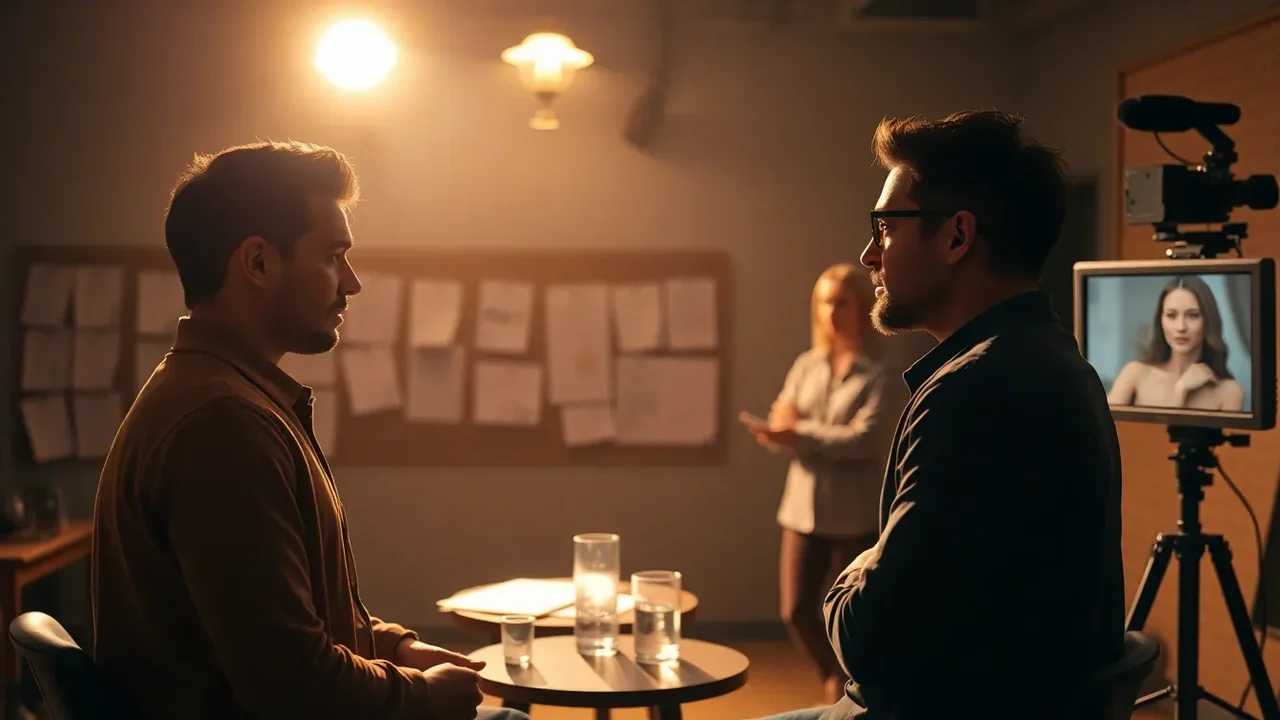
Soft light, by contrast, is used for false comfort in MIE7 shorts. A soft, diffused glow can make a dangerous room feel safe. Then, at the cliffhanger, the soft light is killed, and a hard beam reveals the threat. This bait-and-switch is a classic MIE7 lighting trick. It relies on the audience's learned association between softness and safety. Soft light wraps around the face and hides imperfections. It makes characters look younger, kinder, and more trustworthy. When that light is suddenly removed, the same face can look sinister. The DP may use a large softbox, a bounced light, or a diffused practical. The transition from soft to hard is often timed with a sound cue. This combination makes the cliffhanger feel physical and immediate.
Color Temperature Shifts
Color temperature is a powerful cliffhanger tool in MIE7 dramashorts. Warm tungsten tones suggest intimacy, memory, or home. Cool daylight or moonlight suggests isolation, truth, or death. When a scene shifts from warm to cool in the final second, the audience feels an emotional drop. MIE7 editors often time this shift exactly with the cut to black. A warm room can become a cold morgue with a single gel change. The DP may use a bi-color LED panel to shift temperature without relighting. This allows the cliffhanger to happen in real time. The audience may not consciously notice the color change, but they feel it. The shift can also signal a change in power dynamics. The character who controls the light controls the scene.
Practical Lights and Flicker
Practical lights are visible sources within the scene. A lamp, phone screen, or neon sign can motivate the light. In cliffhangers, a practical light might flicker or die. That flicker becomes a countdown. The audience knows something is wrong because the light itself is unstable. Practicals also add realism, which makes the sudden darkness more shocking. MIE7 shorts often use a single practical source to keep the scene intimate. A bedside lamp can create a warm pool of light that feels safe. When that lamp flickers, the safety is compromised. The DP may wire the practical to a dimmer or a flicker box. The flicker rhythm can match a heartbeat or a ticking clock. When the light finally goes out, the cliffhanger is complete.
Negative Fill and Deep Shadows
Negative fill is the art of removing light. Instead of adding a lamp, the crew places black fabric to absorb spill. This deepens shadows on one side of the face. In a cliffhanger, negative fill can make a character look like they are being swallowed by darkness. The technique is subtle but powerful in close-ups. Negative fill increases contrast without adding more light. It creates a sense of moral ambiguity. The character is half-lit and half-dark, which mirrors their internal conflict. MIE7 DPs often use black wrap, duvetyne, or even a black shirt to shape the shadow. The result is a face that feels incomplete. The audience leans in to see what is missing. That lean is the cliffhanger.
Rim Light and Isolation
Rim light separates the subject from the background. A thin line of light on the hair or shoulder creates a three-dimensional effect. When a character is about to turn and reveal a secret, the rim light may be the only light left. This isolates them against a dark void. The cliffhanger becomes about their silhouette rather than their face. Rim light can also suggest a halo or an otherworldly presence. In MIE7 shorts, a strong rim light often appears at the moment of betrayal. The character is literally outlined, but their expression is hidden. The audience sees the shape of a person but not the truth. The DP may use a small LED or a fresnel behind the subject. The background must be dark enough to make the rim pop. This technique is simple but devastatingly effective.
Eye Lights and Humanity
Eye lights are small reflections in the eyes. They make a character feel alive and present. In a cliffhanger, the DP might remove the eye light. The eyes become dead or empty. This is a common trick in MIE7 shorts because it signals a loss of humanity or hope. The audience notices the missing spark even if they cannot name it. Eye lights are usually created by a small, soft source near the camera. When that source is turned off, the eyes become black pits. This can make a romantic confession feel like a threat. It can make a hero look like a villain. The DP may also change the shape of the eye light to suggest a change in the character. A round eye light feels natural; a square one feels artificial. These subtle cues drive the cliffhanger.
Underlighting and Monstrous Faces
Underlighting is light coming from below. It is unnatural and often used for horror or revelation. In a cliffhanger, underlighting can make a familiar face look monstrous. A phone screen held below the chin is a modern example. MIE7 shorts use this to turn a romantic confession into a threat. The same words feel different when lit from below. Underlighting reverses the normal order of light from above. It suggests that the character is not in control. It can also imply that they are hiding something. The DP may use a small LED panel placed on the floor or a practical like a campfire. The shadows go upward, creating deep hollows in the eyes and cheeks. The audience feels uneasy before any dialogue is spoken. That unease is the cliffhanger.
Top Lighting and Guilt
Top lighting creates deep shadows in the eye sockets. It can make a character look tired, guilty, or menacing. When a cliffhanger reveals a betrayal, top light often isolates the betrayer. The shadows hide their eyes, making them unreadable. The audience is forced to guess their next move. Top lighting is often motivated by a ceiling fixture or a streetlamp. In MIE7 shorts, the DP may use a single source directly above the actor. This creates a stark, interrogation-like look. The character appears trapped under the light. The cliffhanger is the moment they decide to escape or confess. Top light can also be used to suggest a divine judgment. The character is literally under a spotlight. Their secrets are exposed, but their face remains hidden. This contradiction creates tension.
Split Lighting and Duality
Split lighting places half the face in light and half in shadow. This is a visual representation of duality. MIE7 cliffhangers love split lighting because it embodies a choice. The character is literally divided. At the cliffhanger, they may turn from the lit side to the shadow side. That turn is the cliffhanger. Split lighting is often created with a single hard source at a ninety-degree angle to the camera. The DP may add negative fill on the shadow side to deepen the effect. The lit side can represent the public self, while the shadow side represents the hidden self. When the character turns, the audience sees the shift in real time. The cliffhanger becomes a question of which side will win. This technique is simple, elegant, and deeply psychological.
Rembrandt Lighting and Vulnerability
Rembrandt lighting creates a small triangle of light under the eye. It is dramatic but still flattering. In a cliffhanger, Rembrandt light can make a character look vulnerable yet dangerous. The triangle draws the eye to the cheek, where a tear or a bruise might be. The audience reads the emotion in that small patch of light. Rembrandt lighting is often achieved with a single source placed at a forty-five-degree angle. The DP may use a grid or a snoot to control the spill. The rest of the face falls into shadow. This creates a sense of intimacy and secrecy. The audience feels close to the character, but not entirely trusted. The cliffhanger is the moment the character reveals what is hidden in the shadow. The light triangle becomes a window into their soul.
Butterfly Lighting and Power
Butterfly lighting is frontal and symmetrical. It is often used for beauty or authority. When a cliffhanger needs to show a character's power, butterfly light can make them look godlike. Then, a sudden shift to uneven lighting reveals their weakness. The contrast between perfect symmetry and chaos is the cliffhanger. Butterfly lighting is created by placing the key light directly above and in front of the subject. A small shadow appears under the nose, shaped like a butterfly. This light is flattering and commanding. In MIE7 shorts, a politician or a villain may be lit with butterfly light to show control. When that light is disrupted, the audience sees the cracks in their power. The DP may introduce a flicker or a color shift to break the symmetry. The cliffhanger is the fall from grace.
Silhouette as the Ultimate Cliffhanger
Silhouette is the ultimate cliffhanger lighting. When a character is completely backlit, the audience only sees a shape. They cannot read the face, so they project their own fears. MIE7 shorts use silhouettes at doorways, windows, and corridors. The cliffhanger is the moment the silhouette steps forward or disappears. Silhouette lighting requires a strong backlight and a dark foreground. The DP may use a practical window, a doorway, or a foggy street. The character becomes a mystery. The audience does not know if they are friend or foe. The silhouette can also suggest a loss of identity. The character is no longer an individual but a symbol. When the silhouette moves, the audience holds their breath. The cliffhanger is the uncertainty of what will happen next.
Haze and Visible Light Beams
Haze and smoke make light visible. A beam of light through haze becomes a physical object. In a cliffhanger, a shaft of light might reveal a hidden figure. Or it might be blocked by a moving shadow. Haze adds depth and mystery. It also makes the final frame feel like a painting that the audience cannot step into. MIE7 DPs often use a hazer or a smoke machine to create atmosphere. The beam can be created with a hard light and a focus lens. The haze catches the light and creates a volumetric effect. This is visually stunning and emotionally powerful. The audience feels like they are in the room with the characters. When the beam is interrupted, the cliffhanger becomes a physical event. The light itself becomes a character.
Flicker as a Countdown
Flicker is a rhythmic lighting trick. A failing bulb, a fire, or a strobe can create a pulse. In a cliffhanger, flicker accelerates the heartbeat. The audience anticipates the next flash. When the light finally dies, the darkness is absolute. MIE7 editors often cut on the final flicker to maximize impact. Flicker can be created with a dimmer, a flicker box, or a practical effect. The rhythm can be slow and ominous or fast and panicked. The DP may sync the flicker to a sound effect or a music beat. This creates a multisensory experience. The audience is not just watching; they are feeling the tension. The cliffhanger is the moment the light stops. The silence and darkness that follow are more terrifying than any monster.
Lens Flares and Obstruction
Lens flares are not just accidents. They can be motivated by practical lights or added in post. A flare can obscure part of the frame at the cliffhanger. This obstruction creates a visual question. What is hidden behind the flare? The audience leans in, and the episode ends. MIE7 shorts often use flares to add energy and unpredictability. A flare can also suggest a supernatural presence or a memory. The DP may use a uncoated lens or a point light source to create the flare. In post, a flare can be added to guide the eye or to hide a cut. The cliffhanger becomes a moment of visual confusion. The audience cannot see everything, so they must imagine the worst. This is a powerful tool for short-form drama.
Reflections and Split Reality
Reflections in mirrors, windows, or water double the image. A cliffhanger can use a reflection to show something the character cannot see. The lighting may reveal a second figure in the mirror. Or the reflection may be lit differently from the subject. This creates a sense of split reality. MIE7 DPs often use reflections to suggest a character's fractured psyche. A mirror can show the truth that the character is hiding. The lighting on the reflection can be warmer or cooler than the subject. This subtle difference creates unease. The audience may not notice the reflection at first, but they feel it. The cliffhanger is the moment the reflection moves independently. This is a classic horror trope, but it works in any genre when lit correctly.
Shadows as Characters
Shadows are characters in MIE7 shorts. A shadow can move independently of its owner. Lighting can cast a shadow that looks like a weapon or a hand. At the cliffhanger, the shadow may do something the person does not. The audience questions who is in control. Shadow play is an ancient art, but MIE7 DPs use it with modern precision. A single hard light can cast a shadow on a wall that is larger than life. The shadow can threaten or protect. The DP may use a gobo or a cutout to shape the shadow. The cliffhanger is the moment the shadow reveals its true nature. The audience realizes that the light was not just illuminating; it was creating a monster.
Motivated Lighting and Realism
Motivated lighting means every source has a logical reason. A streetlamp, a TV, a candle. This realism makes the cliffhanger believable. When the light source is threatened, the audience feels the threat. MIE7 shorts often use a single practical source to keep the scene intimate. Then they take it away. Motivated lighting requires careful planning. The DP must ensure that the light is consistent with the set and the story. If the light is motivated, the audience accepts it without question. When the light fails, the audience feels the characters' fear. The cliffhanger is grounded in reality, which makes it more frightening. The DP may use a practical lamp with a dimmer to simulate a power outage. The audience sees the light die and knows that something is wrong.
Unmotivated Lighting and Symbolism
Unmotivated lighting breaks realism for effect. A sudden red glow with no source can signal danger. A blue wash can signal a flashback or vision. In a cliffhanger, unmotivated light can pull the audience out of the scene and into a symbolic space. This is a bold choice but effective in short form. MIE7 directors use unmotivated light to express emotions that cannot be shown realistically. A character may be bathed in green light to show jealousy. Or a room may turn purple to show a dream. The audience understands the emotion even if they do not understand the source. The cliffhanger becomes a moment of pure feeling. The DP may use colored gels or LED panels to create these effects. The key is to commit fully to the symbolism.
Color Grading as Final Twist
Color grading is the final lighting layer. Even perfect set lighting can be altered in post. MIE7 cliffhangers often use a warm-to-cool grade across the episode. The final shot may be desaturated or tinted. This visual shift tells the audience that the rules have changed. The cliffhanger is not just a plot twist but a color twist. Color grading can also be used to hide continuity errors or to enhance contrast. The colorist may add a vignette to darken the edges of the frame. This draws the eye to the center, where the cliffhanger happens. The audience may not notice the grade, but they feel the mood shift. A sudden change in color can make a familiar scene feel alien. This is a powerful tool for short-form storytelling.
Lighting Continuity as Clue
Lighting continuity errors can become cliffhangers. If a lamp is on in one shot and off in the next, the audience notices. Some MIE7 shorts use this intentionally to suggest a time jump or a supernatural event. The lighting inconsistency becomes a clue. The cliffhanger is the question of what happened between the shots. MIE7 editors may also use lighting continuity to show a character's mental state. If the light changes without explanation, the audience questions reality. The DP may deliberately break continuity to create unease. This is a risky technique, but it can be very effective. The audience becomes an active participant, searching for meaning in the shadows. The cliffhanger is the moment they realize the light has been lying to them.
The Dark Cliffhanger Frame
The cliffhanger frame is often the darkest frame. DPs underexpose the final shot to force the audience to look closer. They may leave only a rim light or a single practical. This darkness is not about hiding information but about focusing attention. The audience must actively search for meaning in the shadows. MIE7 shorts often end with a close-up of a face that is barely lit. The eyes may be the only visible feature. The audience is drawn into the character's fear. The DP may use a very low-key setup with a high contrast ratio. The shadows become a void that threatens to swallow the character. The cliffhanger is the moment before the void takes over. This technique is simple but requires precise exposure and a good monitor.
Sound and Light Sync
Sound and light work together. A sudden blackout is more effective with a sound drop. A flicker is more tense with a buzzing hum. MIE7 editors sync lighting changes to music beats. The cliffhanger lands on the final beat, often with a hard cut to black. The lighting trick is inseparable from the sound design. A DP may work with a composer to create a rhythm of light and sound. The flicker of a bulb can match the ticking of a clock. The change in color can match a change in musical key. This multisensory approach makes the cliffhanger more memorable. The audience feels the tension in their body, not just in their mind. The final blackout is a release, but it is also a question. What happens next?
Practical Workflow for MIE7 Shorts
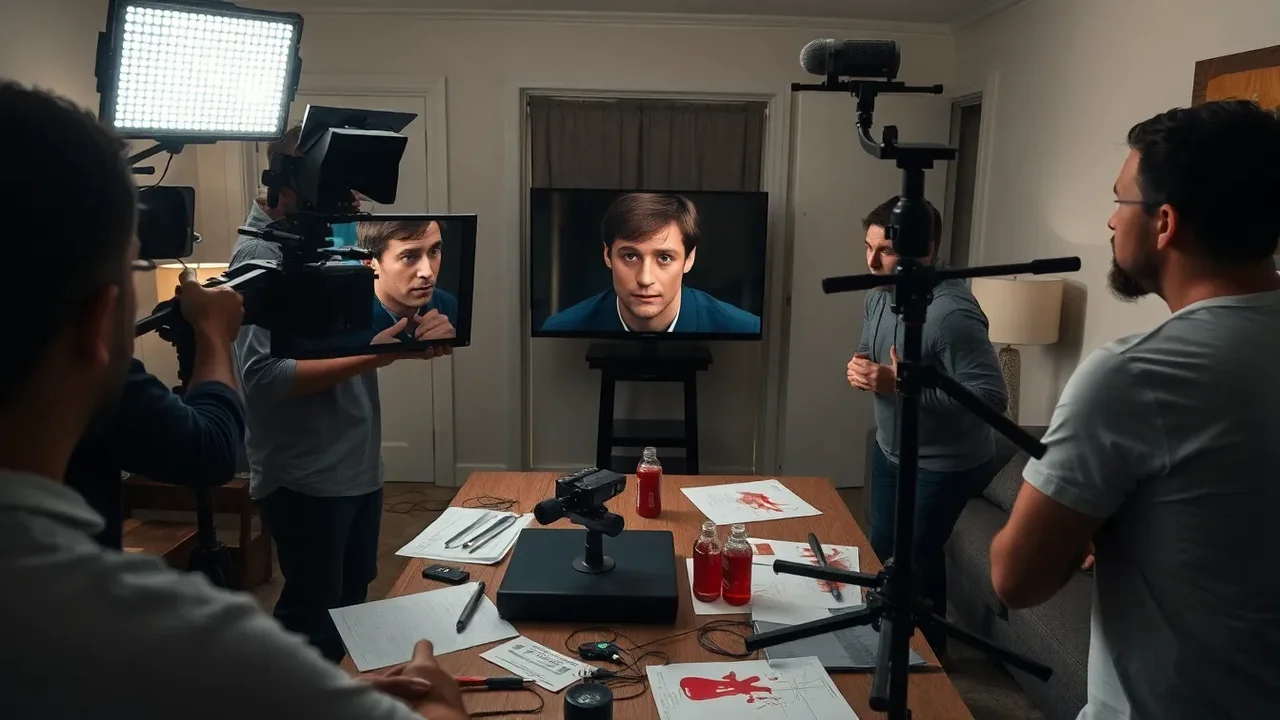
Practical workflow for MIE7 shorts. Use small LED panels, battery-powered practicals, and black wrap. Keep a hard source for slashes and a soft source for fill. Test contrast ratios on a monitor. Shoot the cliffhanger first so the lighting can be pushed. Then edit backward to build the visual escalation. MIE7 productions often have limited time and budget. The DP must be efficient and creative. A single light can be used for multiple purposes if it is placed correctly. Reflectors and negative fill can shape the light without additional units. The DP should also consider the color temperature of the practicals. Mixed color temperatures can create unease. The cliffhanger is the most important shot, so it deserves the most lighting attention. Plan the lighting for the final frame before shooting the rest.
Common Mistakes to Avoid
Common mistakes include overlighting the final shot. If the audience can see everything, there is no mystery. Another mistake is inconsistent color temperature between setups. A third is ignoring eye lights, which makes characters feel hollow. Finally, do not forget negative fill. Removing light is often more dramatic than adding it. MIE7 cliffhangers thrive on what is hidden. The DP should also avoid using too many colors. A limited palette is more powerful. The lighting should serve the story, not show off. The best lighting tricks are invisible until the cliffhanger hits. The audience should feel the tension without knowing why. That is the mark of a successful MIE7 dramashort cliffhanger.
Summary Table of Lighting Tricks
| Lighting Trick | Visual Effect | Cliffhanger Usage |
|---|---|---|
| High Contrast | Deep shadows and bright highlights | Hides emotions before a reveal |
| Hard Light | Sharp, defined shadow edges | Slices across eyes or separates characters |
| Soft Light | Wrapped, flattering glow | Creates false comfort before threat |
| Color Temperature | Warm vs cool tones | Signals emotional drop at cut |
| Practical Flicker | Unstable visible source | Acts as countdown to darkness |
| Negative Fill | Absorbed spill, deeper shadows | Swallows character in darkness |
| Rim Light | Thin outline on hair or shoulder | Isolates silhouette against void |
| Underlighting | Light from below | Makes familiar face monstrous |
| Silhouette | Complete backlight, no detail | Projects audience fear onto shape |
Quick Reference List
- Hard light creates sharp shadows for tension and fracture.
- Soft light offers false comfort before a sudden threat.
- Negative fill removes light to deepen moral ambiguity.
- Rim light isolates characters against a dark background.
- Eye lights add humanity; removing them signals loss.
- Underlighting turns familiar faces into monstrous shapes.
- Silhouette hides identity and forces audience projection.
- Flicker creates a rhythmic countdown to blackout.
- Color temperature shifts signal emotional or narrative change.
- Haze makes light beams visible and adds mystery.
FAQ - Lighting Tricks Behind MIE7 Dramashort Cliffhangers
What is the most common lighting trick in MIE7 dramashort cliffhangers?
High contrast and hard light are the most common. They create sharp shadows that hide emotions and fragment the face, making the audience feel tension before the cliffhanger resolves.
How does color temperature create a cliffhanger effect?
A shift from warm tungsten to cool daylight or moonlight signals an emotional drop. MIE7 editors often time this shift with the cut to black, so the audience feels the change without consciously noticing it.
Why do MIE7 shorts use practical lights that flicker?
A flickering practical light acts as a visual countdown. It creates instability and makes the audience anticipate the moment the light dies, which often coincides with the cliffhanger reveal.
What is negative fill and how is it used in cliffhangers?
Negative fill is the technique of removing light with black fabric. In cliffhangers, it deepens shadows on one side of the face, making the character look morally ambiguous or swallowed by darkness.
How do eye lights affect the emotional impact of a cliffhanger?
Eye lights are small reflections that make a character feel alive. Removing them in a cliffhanger can make the eyes look dead or empty, signaling a loss of humanity, hope, or trust.
Can lighting continuity errors be used intentionally in MIE7 shorts?
Yes. Some MIE7 shorts use intentional lighting continuity errors, such as a lamp turning off between shots, to suggest a time jump or supernatural event. The inconsistency becomes a clue for the audience.
MIE7 dramashort cliffhangers use lighting as a rapid emotional shorthand. High contrast, hard light, flicker, silhouette, and color temperature shifts create tension and mystery. Negative fill, rim light, and eye lights deepen shadows and isolate characters. These tricks make the final frame unforgettable and drive the cliffhanger's impact.
The lighting tricks behind MIE7 dramashort cliffhangers are not merely technical choices; they are narrative devices that shape audience emotion in seconds. From high contrast and hard light to flicker, silhouette, and color temperature shifts, each technique is designed to create imbalance, mystery, and anticipation. By mastering negative fill, rim light, eye lights, and practical sources, creators can turn a simple final frame into a powerful cliffhanger that lingers long after the screen goes dark.