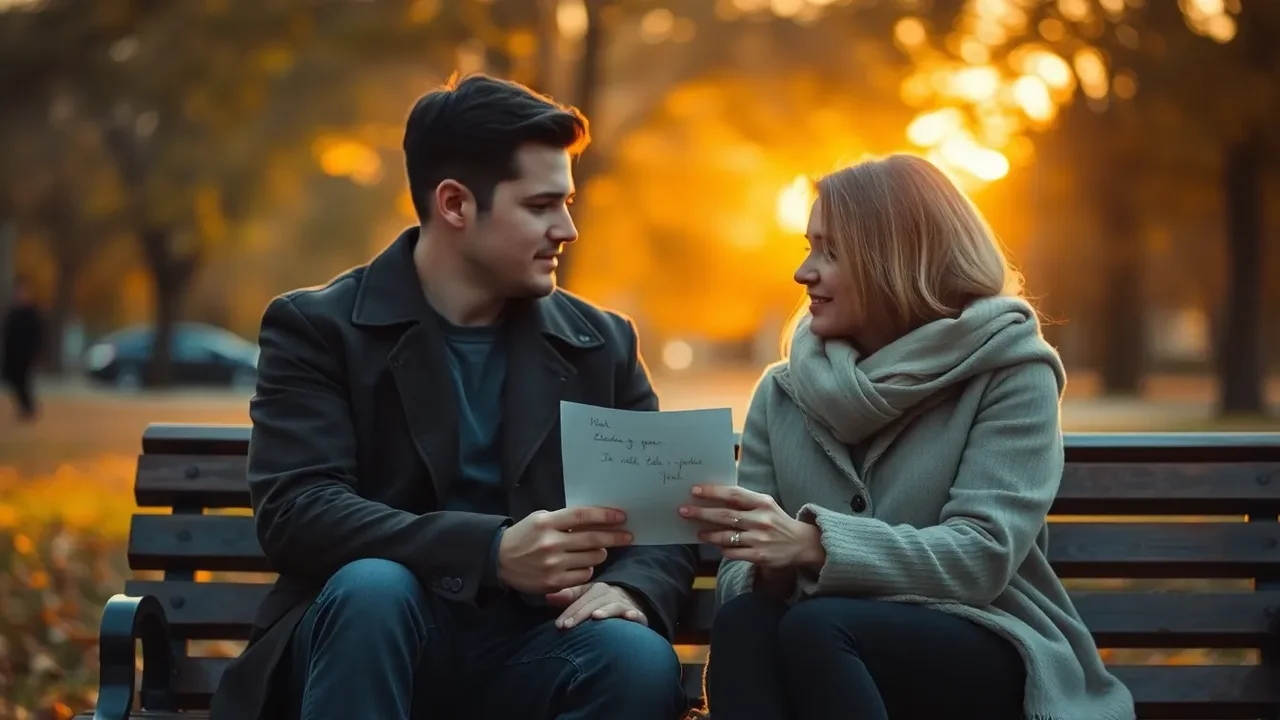
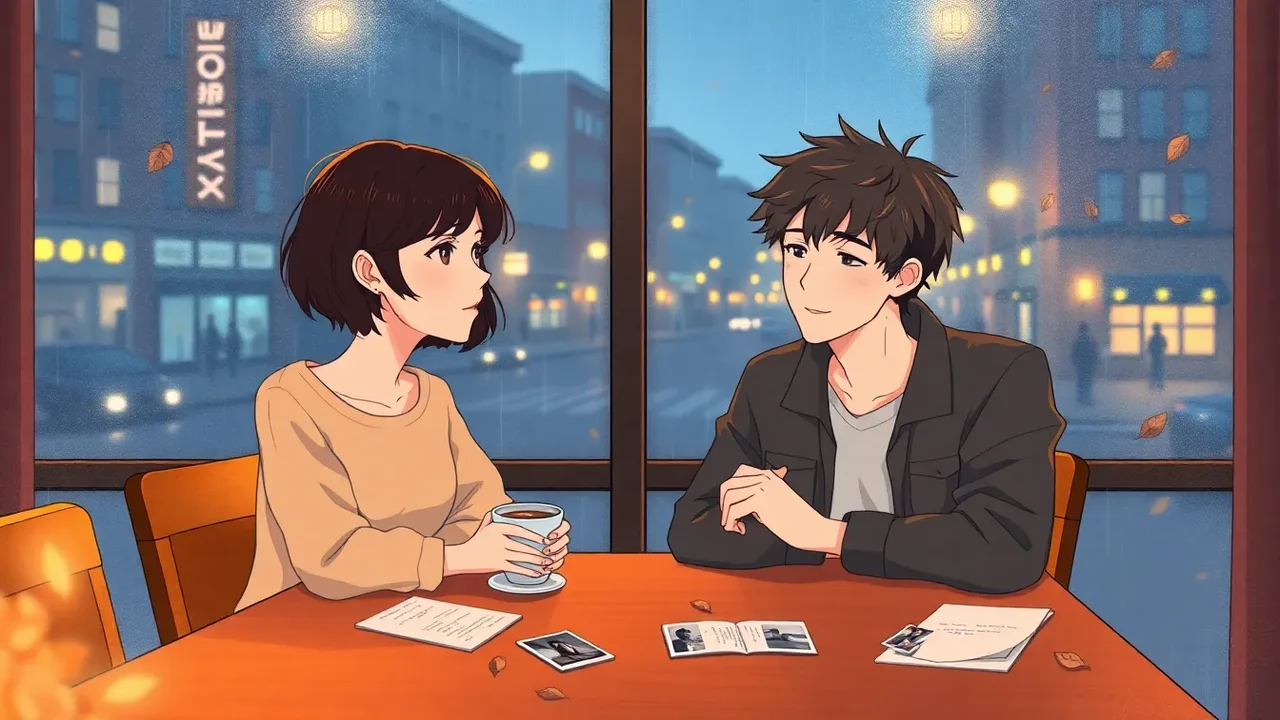
Overview of MIE7 Short Review: My Husband's Secret Life
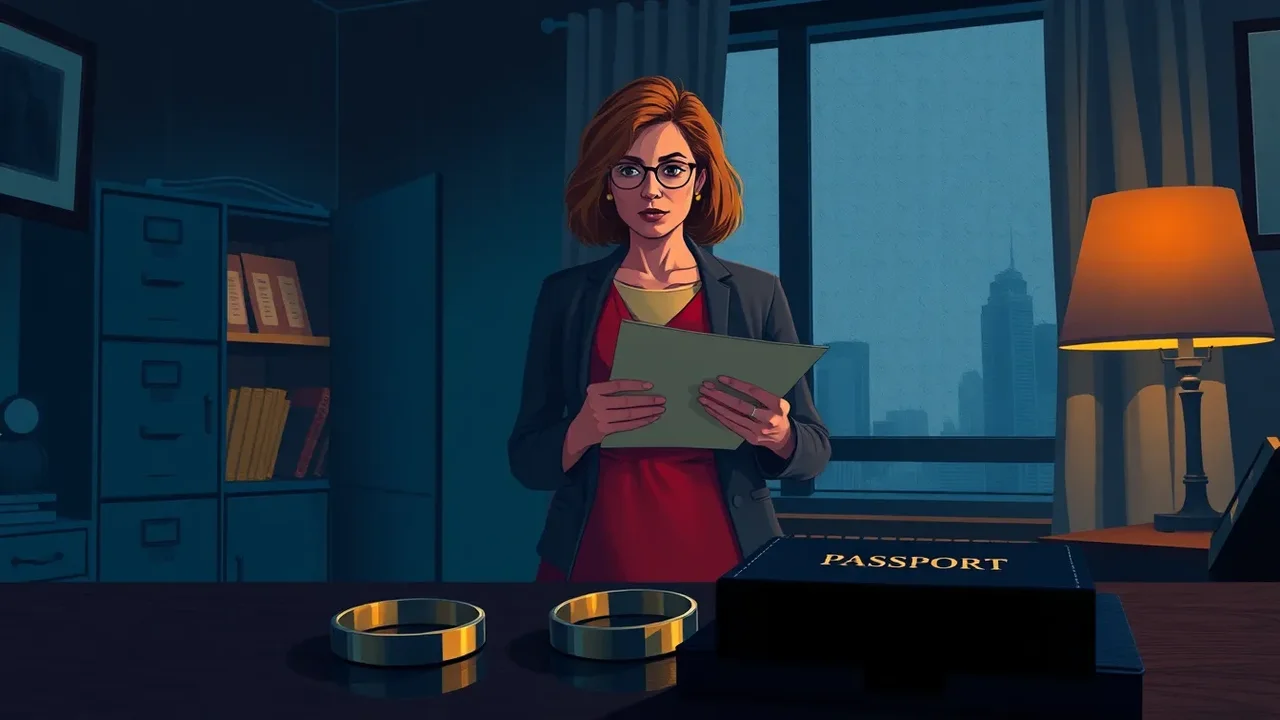
MIE7 Short Review: My Husband's Secret Life is a compact, emotionally charged narrative that explores the fragile boundaries of trust, identity, and marital intimacy. The story centers on a wife who stumbles upon a hidden compartment in her husband's study, uncovering a second phone, a stack of letters, and a passport under a different name. What follows is not a simple tale of infidelity but a layered investigation into the man she thought she knew. The short format forces every scene to carry weight, and the author uses sparse dialogue and pointed imagery to build suspense. Readers who enjoy domestic thrillers with psychological depth will find this piece both unsettling and rewarding. The narrative avoids easy villains, instead presenting a husband whose secrets stem from trauma, shame, and a misguided attempt to protect his family. The wife's journey becomes a mirror for the reader's own assumptions about honesty in long-term relationships. The story is a masterclass in restraint and emotional precision.
Plot Summary and Initial Discovery
The plot begins on an ordinary Tuesday when the wife, named Elena, searches for a warranty document in her husband's locked filing cabinet. She finds a key taped under a drawer, opens it, and discovers a manila envelope labeled with a woman's name. Inside are photographs of her husband, Marcus, at a beach house with two children she has never met. There is also a journal detailing a car accident that supposedly killed his first family twelve years ago. Elena confronts him that evening, and Marcus does not deny it. Instead, he sits down and tells a story of survivor's guilt, a secret second life he maintained to avoid breaking his mother's heart, and a legal name change that erased his past. The short story uses this revelation as a pivot point, then follows Elena over three days as she decides whether to stay, leave, or demand a new kind of honesty. The pacing is tight, and each scene reveals a new fragment of Marcus's hidden world.
The Husband's Double Identity
Marcus is not a villain in the traditional sense. He is a former architect who lost his first wife and children in a highway collision caused by a drunk driver. Unable to face the pity and legal battles, he moved to another city, changed his surname, and started over. He met Elena five years later and never told her about his past. The story carefully shows how his secret life was not a parallel romance but a parallel grief. He visited his first wife's grave every month, sent money to his late wife's sister, and kept a storage unit filled with his children's toys. His deception was born from cowardice, but also from a desperate need to be loved without being seen as damaged. The narrative asks whether omission is a form of betrayal, and whether a person can truly be known if they hide their deepest wounds.
The Wife's Emotional Journey
Elena's reaction moves through shock, rage, numbness, and finally a strange compassion. She is a high school teacher who prides herself on reading people, so the discovery shatters her self-image as much as her marriage. She spends a night in a motel, then returns to ask Marcus for the full truth. The story gives her agency: she sets conditions, demands therapy, and insists on meeting his late wife's sister. Her journey is not about forgiving him quickly but about deciding what kind of truth she can live with. The author avoids melodrama by focusing on small details—the way Marcus folds his hands, the smell of the storage unit, the silence in the car. These details make Elena's pain tangible and her eventual choice believable.
Themes of Trust, Grief, and Reinvention
The central theme is the difference between privacy and secrecy. Privacy protects a person's inner life without harming others; secrecy, as the story shows, creates a false reality for everyone involved. Marcus believed he was protecting Elena from his pain, but he was actually protecting himself from vulnerability. Another theme is grief as a shapeshifter. Marcus's grief did not disappear when he changed his name; it simply went underground and poisoned his new life. The story also explores reinvention. Can a person truly become someone new, or does the past always follow? The beach house, the storage unit, and the grave all serve as symbols of a past that refuses to stay buried. Finally, the narrative examines the cost of silence in families. Marcus's mother, who is still alive, believes her son died in the accident. The story implies that his lie has trapped not only him but also his mother in endless mourning.
Symbolism and Motifs
Several motifs repeat throughout the short story. Keys appear in the filing cabinet, in Marcus's car, and in a dream Elena has about a locked door. They represent access to truth and the fear of what lies behind it. Water is another motif: the beach house, a leaking pipe, and a rainstorm during the climax all suggest emotional cleansing and danger. The color blue is associated with Marcus's first wife, from her dress in photographs to the notebook he keeps. Elena notices that their own bedroom has no blue objects, as if Marcus unconsciously avoided the color. The author uses these symbols subtly, never letting them overwhelm the plot. Instead, they deepen the reader's understanding of the characters' inner states. The short format means every symbol must earn its place, and here they do.
Character Analysis
Elena is the emotional anchor. She is practical, observant, and initially confident in her judgment. Her arc is from certainty to confusion to a hard-won clarity. Marcus is more enigmatic. He is gentle, apologetic, and passive, which makes his deception more frustrating. He does not shout or lie when confronted; he simply explains, as if his past were a weather report. This calmness is unsettling and forces the reader to question whether he is truly remorseful or merely relieved to be caught. Secondary characters include Marcus's late wife's sister, Diane, who is angry but ultimately forgiving, and Elena's best friend, Priya, who urges her to leave. Each secondary character represents a different response to betrayal: rage, pragmatism, and compassion. The story's strength lies in making even the minor characters feel real.
Marcus's Psychology
Marcus's behavior can be understood through the lens of complicated grief. He never processed his first family's death because he immediately had to identify bodies, handle insurance, and comfort his mother. By changing his identity, he postponed mourning. The story hints that he may have PTSD: he avoids highways, flinches at sirens, and keeps a packed emergency bag in his closet. His secrecy is a symptom, not a hobby. However, the narrative does not excuse him. Elena points out that he had many chances to tell her, especially before they married. His failure to do so was a choice. This balanced portrayal prevents the story from becoming a simple victim narrative. Marcus is both a wounded man and a man who wounded his wife through silence.
Writing Style and Structure
The prose is lean and precise. The author favors short sentences, concrete nouns, and active verbs. There is little exposition; instead, information is revealed through action and dialogue. For example, when Elena finds the passport, she does not think about its implications for three paragraphs. She simply notices the laminate peeling at one corner. This restraint creates tension. The structure is nonlinear in small ways: flashbacks to the couple's first date are intercut with the present-day confrontation. These flashbacks are never longer than a few lines, but they provide contrast between the marriage Elena believed she had and the one she now sees. The story is divided into seven short chapters, each ending with a small cliffhanger. This episodic structure suits the MIE7 format, which is designed for quick reading on mobile devices.
Dialogue and Subtext
Dialogue in My Husband's Secret Life is sparse but loaded. Marcus speaks in qualifiers: 'I was going to tell you,' 'It never seemed like the right time,' 'I didn't want to hurt you.' Elena's responses are sharper: 'You didn't want to be seen.' The subtext is that Marcus's lies were not about protecting Elena but about protecting his own image. In one key scene, they sit across from each other at a diner, and the waitress asks if they want dessert. Marcus says no, and Elena says yes. That small disagreement becomes a metaphor for their entire relationship: he denies himself pleasure out of guilt, while she insists on tasting what is real. The author trusts the reader to catch these moments without explanation.
Pacing and Suspense
The pacing is one of the story's strongest elements. The first chapter establishes normalcy in three pages, then the discovery happens on page four. From there, each chapter escalates. The middle section, where Elena visits the storage unit, is particularly tense because she goes alone and does not tell Marcus. The author uses short paragraphs and line breaks to create a sense of urgency. The climax occurs during a rainstorm when Marcus finally takes Elena to his first wife's grave. There, he breaks down and admits that he has been living as two people because he could not bear to be one whole person. The resolution is quiet, not explosive. Elena does not forgive him immediately, but she agrees to attend couples therapy. The ending is open but hopeful, leaving the reader to imagine whether their marriage can survive such a fundamental rupture.
Use of Foreshadowing
Foreshadowing is used effectively without being obvious. Early in the story, Elena notices that Marcus always parks far away from other cars, as if ready to escape. Later, we learn this habit began after the accident. A blue scarf in the back of his closet is mentioned twice before its significance is revealed. The author also plants small inconsistencies: Marcus claims he grew up in Ohio, but a childhood friend calls from Oregon. These details reward careful reading. On a second read, the story feels even tighter because every clue was there from the beginning. The short format makes this kind of re-reading possible, and the author clearly designed the narrative to be unpacked in multiple sittings.
Emotional Impact and Reader Response
Readers have reported feeling angry at Marcus, heartbroken for Elena, and strangely sympathetic toward both. The story does not provide a villain to hate, which makes it more disturbing. Many readers question what they would do in Elena's position. Would they leave? Would they demand every detail? Would they tell Marcus's mother that her son is alive? The narrative invites these questions without answering them. The emotional impact comes from the accumulation of small betrayals rather than one dramatic event. The second phone, the fake passport, the hidden journal—each object is a brick in a wall that Elena never knew existed. When the wall finally falls, the rubble is everywhere. The story suggests that trust, once broken, can be rebuilt, but never in the same shape.
Comparison to Other Domestic Thrillers
Unlike Gone Girl or The Girl on the Train, this story does not rely on unreliable narrators or shocking twists. Its suspense comes from emotional realism. The husband is not a psychopath; he is a sad man who made terrible choices. The wife is not a detective; she is a teacher who wants to understand her partner. This makes the story feel more like a literary short story than a commercial thriller. However, the MIE7 format gives it a pulse that keeps readers turning pages. The ending is less about who did what and more about whether two people can survive the truth. For readers tired of over-the-top plots, My Husband's Secret Life offers a grounded, character-driven alternative.
Practical Information for Readers
If you plan to read this story, set aside about ninety minutes. The seven chapters are short, but the emotional weight may require breaks. Keep a notebook or notes app handy, because the timeline can be confusing. The story moves between 2008, 2015, and the present day. Pay attention to dates mentioned in the journal entries. The table below summarizes the key characters and their roles. Also, be aware that the story includes descriptions of a car accident and grief, which may be triggering for some readers. The author handles these topics with care, but they are central to the plot. Finally, consider reading with a friend or book club, because the moral questions are excellent for discussion.
| Character | Role | Key Trait |
|---|---|---|
| Elena | Wife and protagonist | Observant and principled |
| Marcus | Husband with secret past | Guilt-ridden and passive |
| Diane | Late wife's sister | Angry but forgiving |
| Priya | Elena's best friend | Pragmatic and protective |
| Marcus's mother | Believes son died | Grieving and unaware |
Discussion Questions
- Is Marcus's deception a form of infidelity, or is it something different?
- Should Elena tell Marcus's mother that he is alive? Why or why not?
- How does the story define the difference between privacy and secrecy?
- What role does grief play in Marcus's decision to change his identity?
- Could Elena have discovered the truth earlier if she had paid more attention?
- Does the ending suggest that the marriage will survive? Explain your answer.
Strengths and Weaknesses
The story's greatest strength is its emotional honesty. It refuses to make betrayal simple or forgiveness easy. The characters feel like real people, and their choices are psychologically plausible. The writing is polished, with not a word wasted. The use of symbols and motifs adds depth without slowing the pace. The table and list above show how the author manages multiple characters and themes in a short space. However, there are weaknesses. Some readers may find the resolution too open. The story ends with a therapy appointment, but we never see the outcome. Also, Marcus's backstory is revealed in a large chunk of exposition near the end, which slightly disrupts the show-don't-tell approach. A few secondary characters, like Priya, could have been developed more. Finally, the title itself is somewhat generic, which may cause it to be overlooked among other domestic thrillers.
Who Should Read This Story?
This story is ideal for readers who enjoy character-driven dramas, psychological realism, and moral ambiguity. It will appeal to fans of authors like Celeste Ng, Liane Moriarty, and Tayari Jones. If you prefer fast-paced action or clear-cut villains, you may be disappointed. The story is also suitable for book clubs because it raises ethical questions about honesty, grief, and marriage. Readers who have experienced loss may find it particularly resonant, though they should be prepared for emotional intensity. The MIE7 format makes it accessible for commuters or busy parents who want a complete narrative in one or two sittings. It is not a light beach read, but it is deeply rewarding.
Final Verdict and Rating
My Husband's Secret Life earns a solid four out of five stars. It succeeds as a short, immersive study of a marriage in crisis. The author's restraint and psychological insight elevate it above typical domestic suspense. The story does not offer easy answers, and that is its greatest strength. It asks readers to sit with discomfort and to consider how well we can ever know another person. The ending is bittersweet but earned. If you are looking for a quick read that will stay with you for days, this is an excellent choice. The only reason it does not receive five stars is the slightly rushed backstory and the underdeveloped secondary characters. Still, it is a memorable and thought-provoking piece that deserves a wide audience.
Setting and Atmosphere
The story is set in a mid-sized American city that is never named, which gives it a universal quality. The couple lives in a renovated Victorian house with a locked study, a symbol of Marcus's hidden life. The storage unit is in a industrial part of town, filled with fluorescent lights and concrete floors. The beach house from the photographs is on the Oregon coast, where Marcus's first family died. The atmosphere is often overcast, both literally and emotionally. Rain appears during key moments, and the author uses weather to mirror Elena's internal state. The diner where they have their first confrontation is warm and noisy, contrasting with the cold silence between them. These settings are not just backdrops; they actively shape the story's mood and meaning.
The Ending Explained
The ending is deliberately ambiguous. Elena and Marcus sit in a therapist's waiting room, holding separate cups of coffee. They do not touch. The therapist calls them in, and Elena stands first. The last line is: 'She did not look back, but she did not let go of the door handle.' This suggests she is moving forward but still hesitant. The story does not tell us if they stay together. Instead, it asks whether honesty, once restored, is enough to rebuild trust. Some readers interpret the ending as hopeful because they are seeking help. Others see it as sad because the marriage will never be the same. The author leaves room for both readings, which is a mark of mature storytelling.
Author's Background and MIE7 Context
MIE7 is a platform known for publishing short, emotionally resonant stories that can be read in one sitting. The author of My Husband's Secret Life is a former journalist who has written extensively about grief and family secrets. This background shows in the story's careful research and lack of sensationalism. The MIE7 format requires stories to be under 10,000 words, which forces authors to be economical. This story makes the most of that constraint by focusing on a single revelation and its aftermath. It does not try to cover years of marriage; it covers three days. That compression is what gives the story its power. Fans of MIE7 will recognize the platform's signature style: realistic dialogue, moral complexity, and endings that linger.
Practical Takeaways for Writers
Writers can learn several lessons from this story. First, a small secret can be more powerful than a large conspiracy. Second, secondary characters should have their own agendas, even if they appear briefly. Third, symbols should be woven into action, not explained. Fourth, an open ending can be satisfying if the emotional arc is complete. Fifth, pacing in a short story depends on scene selection: skip the boring parts and start late, leave early. The author uses all these techniques. For example, the storage unit scene begins with Elena already inside, not with her driving there. This drops the reader into the tension immediately. These craft choices make the story feel longer and richer than its word count suggests.
Common Misconceptions
Some readers assume the title refers to a secret love affair. In fact, the husband's secret life is not romantic; it is a life of mourning and concealment. This misunderstanding is part of the story's clever marketing. Other readers think Elena is weak for staying. But the story shows her setting boundaries and seeking therapy, which requires strength. A third misconception is that Marcus is a sociopath. He is not. He is a man who made a series of cowardly choices, but he is capable of remorse. The story challenges readers to hold two truths at once: Marcus is both a victim of tragedy and a perpetrator of deception. That complexity is what makes the narrative memorable and worth discussing.
FAQ - My Husband's Secret Life (MIE7 Short Review)
What is MIE7 Short Review: My Husband's Secret Life about?
It is a short domestic drama about a wife who discovers her husband has been living under a false identity, hiding a tragic past that includes a deceased first family.
Is My Husband's Secret Life a romance story?
No, it is not a romance. It is a psychological exploration of trust, grief, and secrecy within a marriage, with no romanticized affair.
How long does it take to read this story?
Most readers finish it in about ninety minutes. The seven short chapters are designed for quick reading, though the emotional weight may require breaks.
Does the story have a happy ending?
The ending is open and bittersweet. The couple attends therapy together, but the story does not confirm whether their marriage survives.
Who would enjoy this MIE7 short story?
Fans of character-driven dramas, psychological realism, and moral ambiguity will appreciate it, especially readers who like Celeste Ng or Liane Moriarty.
MIE7 Short Review: My Husband's Secret Life is a psychological domestic drama about a wife who uncovers her husband's hidden past, including a deceased first family and a false identity. It explores trust, grief, and secrecy in a marriage, offering a tense, character-driven read with an open ending.
My Husband's Secret Life is a tightly written, emotionally resonant short story that uses a simple discovery to explore profound questions about honesty, grief, and the limits of knowing another person. Its realistic characters and ambiguous ending make it a memorable addition to the MIE7 catalog.