MIE7 Short Review: The Nanny's Hidden Past
What Is MIE7?
MIE7 is a short film showcase that highlights emerging filmmakers and compact storytelling. The Nanny's Hidden Past is one of its most talked-about entries because it blends domestic drama with psychological suspense. At roughly fifteen minutes, the short uses limited time to build unease, introduce a mystery, and deliver a sharp emotional turn. This review examines its story, craft, performances, and practical viewing details without spoiling the biggest reveals.
Story Overview Without Major Spoilers
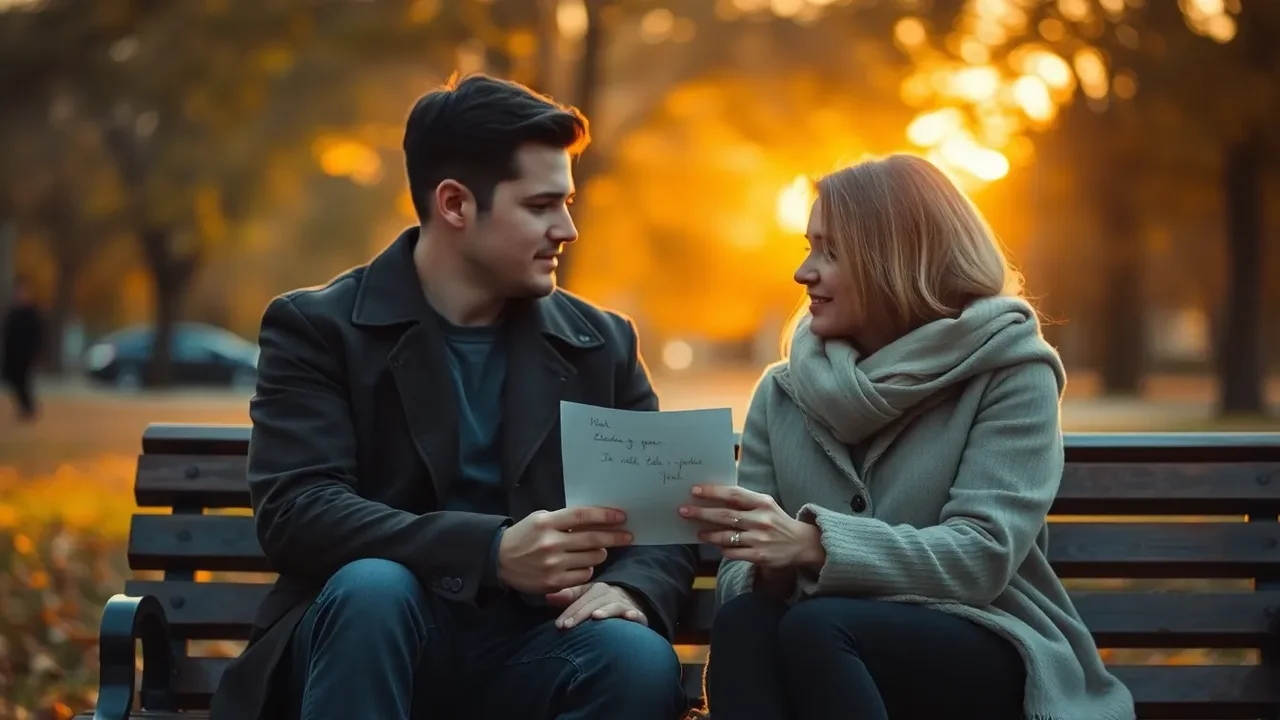
The story follows a young professional couple who hire a live-in nanny to care for their daughter. The nanny appears calm, capable, and almost too perfect. She cooks, cleans, and connects with the child quickly. Yet small details suggest she is hiding something. A locked suitcase, a hesitant phone call, and a photograph tucked inside a book create curiosity. The parents are busy and distracted, so they overlook early warning signs. The short builds tension through everyday routines: breakfast, bath time, bedtime stories, and quiet moments after the child sleeps. When a stranger appears near the house, the nanny's behavior changes. Her past begins to leak into the present. The film asks whether a person can outrun their history or whether history always finds a way back.
The Hidden Past and Its Reveal
The title promises a hidden past, and the short delivers it in layers. Early scenes imply the nanny might be a criminal, a victim, or a grieving mother. The script avoids easy answers. Instead, it reveals her history through fragments: a scar, a news clipping, a cautious conversation with a former acquaintance. The reveal is not a single dramatic monologue. It arrives through a series of visual and verbal clues that reward attentive viewing. The nanny's past involves a traumatic event that forced her to leave her previous life. She changed her name, moved cities, and took a job that allowed her to stay indoors. Her connection to the child is genuine, but it is also a way to replace what she lost. The short uses this reveal to shift sympathy. The audience may begin by suspecting her, then fear for her, and finally understand her. That emotional pivot is the film's strongest achievement.
Themes of Trust, Motherhood, and Survival
Trust is the central theme. The parents trust the nanny with their most precious possession, their child. The nanny trusts no one with her past. The child trusts instinctively and without judgment. This triangle creates constant tension. Motherhood appears in two forms: the biological mother who is present but distracted, and the nanny who is nurturing but haunted. The film does not villainize either woman. Instead, it shows how circumstance shapes caregiving. Survival is the third theme. The nanny's choices are not merely secrets; they are strategies. She hides to stay alive, to stay free, and to stay near the child. The short suggests that survival often requires performance. A person may smile, cook, and read bedtime stories while internally reliving trauma. That duality gives the film its emotional weight.
Characters and Performances
The nanny is played with quiet intensity. Her face often remains neutral, but her eyes carry exhaustion and vigilance. The performance avoids melodrama. When she finally breaks, the moment feels earned rather than theatrical. The mother is portrayed as loving but stretched thin. She misses clues because she is overwhelmed, not because she is cruel. The father is more distant, representing how some parents delegate emotional labor. The child gives a natural performance, which makes the danger feel more real. The stranger who appears midway through the short is appropriately unsettling without becoming a cartoon villain. The supporting cast is small, which keeps focus on the central mystery. The chemistry between the nanny and the child is the film's emotional anchor. Without that bond, the reveal would not land.
Direction and Visual Style
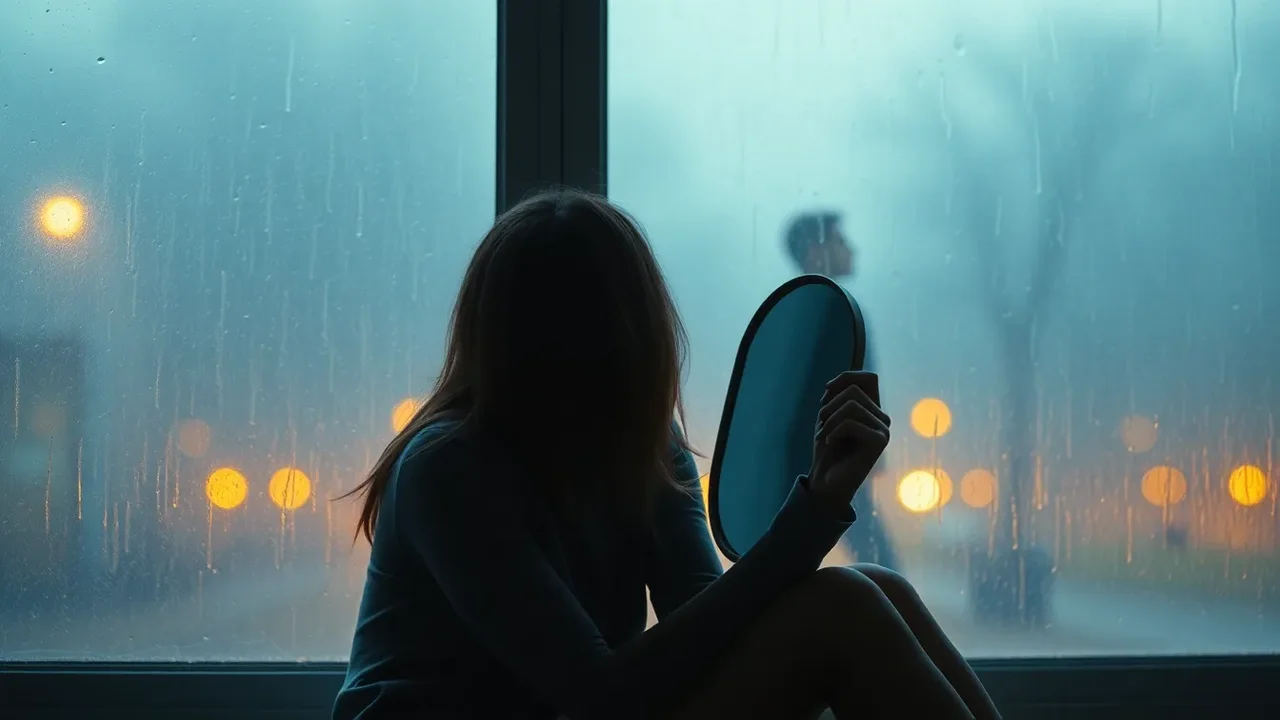
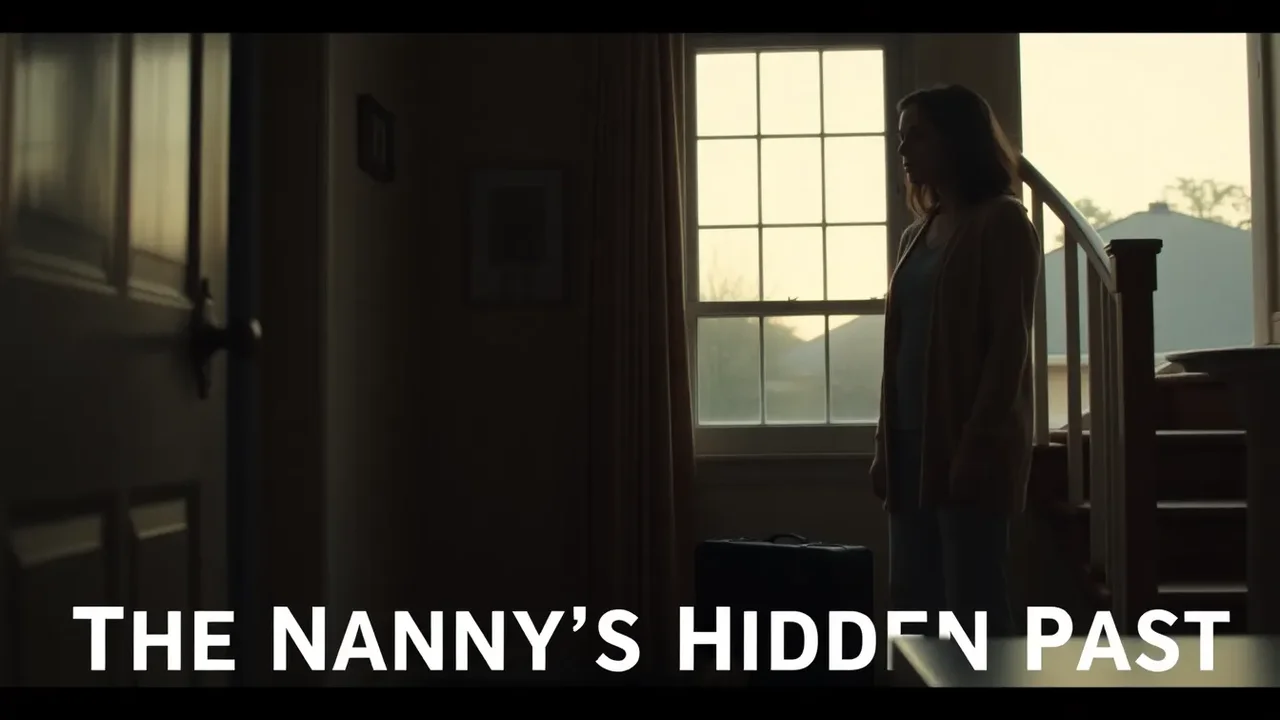
The direction favors restraint. The camera observes rather than intrudes. Long takes in the kitchen and living room allow tension to simmer. Close-ups are used sparingly, so when they arrive, they feel significant. The color palette is muted: beige walls, gray skies, and soft brown furniture. This ordinary setting makes the hidden past feel more shocking. The director uses reflections to suggest duality. The nanny is often seen in mirrors, windows, or polished surfaces. These reflections hint that she is watching herself, or that someone else is watching her. Shadows are used to frame her face, especially in nighttime scenes. The visual style recalls social realist drama more than horror, but the suspense is constant. The short trusts the audience to notice details. A toy left on the stairs, a door left ajar, or a phone buzzing face down all carry meaning. This attention to visual storytelling is one of the film's greatest strengths.
Cinematography and Lighting
The cinematography uses natural light whenever possible. Morning scenes are soft and warm, suggesting safety. Evening scenes become cooler and more shadowed, suggesting threat. The camera often stays at the child's eye level, which makes the world feel larger and more unpredictable. Handheld shots appear during moments of panic, but they are not overused. The film knows when to hold still. A static shot of the nanny standing at a window can be more frightening than a chase scene. The lighting in the basement and attic scenes is especially effective. Single bulbs, narrow beams, and dark corners create a sense of confinement. The short also uses depth of field to isolate characters. When the nanny is in focus, the parents may be blurred in the background. When the child is in focus, the nanny may be a soft shape nearby. These choices subtly communicate emotional distance and shifting alliances.
Sound Design and Music
The sound design is minimal but precise. Household noises become important: a kettle whistling, a clock ticking, footsteps on stairs, a door locking. Silence is used strategically. When the nanny receives a threatening message, the background noise drops away. The audience hears only her breathing. The musical score is sparse. It uses low strings, soft piano, and ambient drones. The music never tells the audience how to feel. Instead, it deepens the mood without overpowering the performances. A recurring lullaby motif connects the nanny to the child and to her past. The lullaby is first heard as a gentle bedtime tune. Later, it returns in a minor key, suggesting loss. The final use of the motif is heartbreaking because it recontextualizes everything the audience has heard. The sound team deserves credit for making ordinary sounds feel threatening. A dishwasher closing or a baby monitor crackling can carry more dread than a loud jump scare.
Editing and Pacing
The editing is tight. At fifteen minutes, the short cannot waste time. Each scene advances character or plot. Transitions are often match cuts. A child's toy blocks falling may cut to suitcase locks clicking. A knife spreading butter may cut to a knife in a memory. These transitions create visual rhymes that deepen the mystery. The pacing is deliberate. The first five minutes establish normal life. The next five minutes introduce disruption. The final five minutes accelerate toward the reveal. The short avoids rushed exposition. Instead, it lets the audience assemble the story. Some viewers may find the middle section slow, but that slowness is necessary. It makes the ordinary routines feel fragile. The editing also uses brief flashbacks without warning. These flashbacks are not confusing because they are tied to sensory triggers: a smell, a song, or a touch. The structure rewards a second viewing because early details gain new meaning.
Strengths of the Short
The strongest element is the screenplay's economy. It introduces a mystery, develops characters, and delivers an emotional payoff in a short runtime. The performances are uniformly strong, especially the nanny and the child. The direction is confident and avoids cheap scares. The visual storytelling is rich with mirrors, shadows, and meaningful objects. The sound design turns everyday noises into sources of tension. The reveal is satisfying because it is both surprising and inevitable. The film also handles sensitive topics with care. It does not exploit trauma for shock value. Instead, it shows how trauma shapes behavior. The short is also technically polished. The lighting, editing, and music work together to create a cohesive mood. For a low-budget short, the production value is impressive. It proves that strong writing and acting matter more than expensive effects.
Weaknesses and Limitations
No short film is perfect, and this one has minor flaws. The middle section may feel too quiet for viewers who expect constant action. Some supporting characters are underdeveloped, particularly the father. His absence is thematically useful, but his limited screen time makes him feel like a device rather than a person. A few clues are too subtle. Some viewers may miss the news clipping or the significance of the photograph. The final reveal could be slightly clearer for first-time viewers. The short also relies on a few familiar thriller tropes: the locked suitcase, the mysterious phone call, and the stranger watching from a car. These tropes are used effectively, but they are not original. The ending leaves some questions unanswered. That ambiguity may frustrate audiences who prefer closure. However, these weaknesses are small compared to the film's strengths. The short knows what it wants to do and does it well.
Practical Viewing Information
MIE7 Short Review: The Nanny's Hidden Past is best viewed in a quiet environment. The film relies on subtle audio and visual clues, so distractions can ruin the experience. It is suitable for older teenagers and adults. The short contains themes of trauma, stalking, and family separation. There is no graphic violence, but there are tense moments and brief images of blood. The runtime is approximately fifteen minutes. It is available on the MIE7 streaming platform and may appear at short film festivals. For viewers who enjoy psychological thrillers, domestic dramas, and mystery shorts, this is a strong recommendation. It pairs well with films like The Babadook, The Others, and Hereditary, though it is less horror-focused. Teachers and discussion groups can use it to explore themes of trust, motherhood, and survival. A second viewing is recommended to catch all the clues.
Comparison Table: Similar Short Films
| Title | Theme | Runtime | Similarity |
|---|---|---|---|
| The Nanny's Hidden Past | Trust and trauma | 15 min | Domestic suspense |
| The Staircase | Family secrets | 12 min | Quiet tension |
| Mother's Room | Grief and caregiving | 18 min | Emotional reveal |
| Behind the Door | Hidden identity | 14 min | Mysterious stranger |
| Lullaby for a Stranger | Loss and protection | 16 min | Child bond |
How the Short Uses Symbolism
Symbolism is woven into the film's fabric. The locked suitcase represents the nanny's sealed past. The child's dollhouse mirrors the family home, with small figures that the nanny rearranges. The photograph of a young girl is a stand-in for the daughter the nanny lost. Water appears in several scenes: a running faucet, a bathtub, rain on a window. Water suggests cleansing, but also drowning and secrets. The color red appears sparingly: a scarf, a toy, a drop of blood. Each appearance signals danger or memory. Mirrors are the most prominent symbol. The nanny sees herself in mirrors, but she also sees the person she used to be. In one scene, her reflection is slightly delayed, suggesting that her past is always one step behind her. The lullaby is both a comfort and a curse. It connects her to the child, but it also reminds her of what she lost. These symbols are not heavy-handed. They enrich the story without distracting from it.
Audience Reactions and Critical Reception
Audience reactions to the short have been largely positive. Viewers praise the performances and the slow-burn tension. Many note that the film stays with them after the credits. Some viewers find the ending ambiguous, but others appreciate the room for interpretation. Critics have highlighted the direction and the screenplay's efficiency. The short has won small festival awards for acting and editing. On social media, fans discuss the clues they missed on first viewing. The most common question is whether the nanny is a hero, a victim, or both. That ambiguity is part of the film's appeal. It refuses to reduce its protagonist to a single label. The short also sparks conversations about domestic labor, trust, and the invisible burdens carried by caregivers. For a fifteen-minute film, that is a significant achievement.
Behind the Scenes and Production Notes
The short was produced as part of the MIE7 initiative, which supports emerging filmmakers. According to interviews, the director was inspired by a real news story about a caregiver with a concealed identity. The screenplay went through several drafts to balance mystery and empathy. The cast rehearsed for two weeks before shooting. The film was shot in twelve days on a modest budget. Most of the locations were practical: a suburban house, a community center, and a park. The crew was small, which allowed flexibility. The director encouraged improvisation in family scenes to make them feel natural. The editing process took three months. The composer created the lullaby motif by recording a music box and then slowing it down. The sound team spent extra time layering household noises. These production choices explain why the film feels intimate and authentic. The limitations of budget and time became creative strengths.
Who Should Watch This Short?
This short is ideal for viewers who enjoy psychological suspense without graphic horror. It will appeal to fans of domestic thrillers, character studies, and mystery stories. If you like films that reward close attention, this is for you. It is also a good choice for aspiring filmmakers because it demonstrates how to create tension with limited resources. Viewers who prefer fast-paced action may find it slow. Those who dislike ambiguous endings may feel unsatisfied. However, audiences who appreciate emotional depth and subtle performances will find much to admire. The short is also suitable for film studies classes. It offers rich material for discussions about narrative structure, symbolism, and character development. Because it is short, it can be watched and analyzed in a single session. That makes it a practical teaching tool as well as an engaging story.
Discussion Questions for Viewers
- Did the nanny deserve the parents' trust?
- How does the film use ordinary objects to create suspense?
- What does the locked suitcase symbolize?
- Why does the child bond so quickly with the nanny?
- Is the ending hopeful, tragic, or both?
- How would the story change if told from the mother's perspective?
Where to Watch and How to Support
The short is available through the MIE7 platform and selected streaming services. Check the official MIE7 website for current availability. It may also screen at local film festivals and community events. If you enjoy the film, support the filmmakers by sharing it on social media, leaving a review, and attending Q&A sessions. Independent short films rely on word of mouth. A small recommendation can help a film reach a wider audience. You can also look for the director's other work and follow the cast's projects. Many short films are made as proof of concept for feature films. If this short generates enough interest, a feature-length version could follow. Supporting short films is a way to support diverse voices and innovative storytelling. Every view, share, and thoughtful comment helps.
Common Misconceptions About the Film
Some viewers assume the short is a horror film because of its tense marketing. It is actually a psychological drama with suspense elements. Others believe the nanny is a villain from the start. The film deliberately keeps her motives unclear. Another misconception is that the ending is a cliffhanger. In reality, the major emotional arc is resolved, even if some details remain open. Some viewers think the low budget limits the film's quality. The opposite is true: the constraints sharpen the storytelling. A few people assume the short is based on a true story. It was inspired by real events, but the plot is fictional. Finally, some viewers overlook the mother's perspective. She is not simply neglectful; she is exhausted and doing her best. Understanding these misconceptions can lead to a richer viewing experience.
Final Analysis of Craft and Impact
The Nanny's Hidden Past succeeds because it understands the power of restraint. It does not rely on jump scares or graphic violence. Instead, it builds unease through performance, sound, and visual detail. The screenplay respects the audience's intelligence. It plants clues and trusts viewers to connect them. The direction is confident, and the editing is precise. The performances are natural and emotionally resonant. The film's short runtime is an advantage. It leaves the audience wanting more while still feeling complete. The hidden past is not just a plot device. It is a metaphor for the secrets that all caregivers carry. The short asks what we owe to the people who care for our children. It also asks what we owe to ourselves when our past refuses to stay buried. These questions linger long after the credits. For a fifteen-minute film, that is a remarkable impact.
Character Psychology Notes
The nanny's psychology is revealed through small behaviors. She checks the locks three times before bed. She keeps her phone face down. She flinches when a man raises his voice. These habits suggest past abuse or persecution. The mother's psychology is shown through distraction. She forgets appointments, loses her keys, and apologizes constantly. She loves her child but feels guilty for working. The father's psychology is less developed, but his absence speaks volumes. He avoids conflict and leaves emotional labor to others. The child's psychology is simple and pure. She loves the nanny because the nanny sees her. This psychological map explains why the reveal works. Each character is responding to unmet needs. The nanny needs safety. The mother needs support. The father needs escape. The child needs attention. When these needs collide, the result is both tragic and tender. The film does not judge them. It observes them with compassion. That compassion is what elevates the short above typical thriller fare.
FAQ - MIE7 Short Review: The Nanny's Hidden Past
What is MIE7 Short Review: The Nanny's Hidden Past about?
It is a fifteen-minute psychological drama about a live-in nanny who cares for a young child while hiding a traumatic past. The short blends domestic routine with quiet suspense and an emotional reveal.
How long is the short film?
The runtime is approximately fifteen minutes, making it easy to watch in one sitting and suitable for film studies discussions.
Is The Nanny's Hidden Past based on a true story?
It was inspired by real news stories about caregivers with concealed identities, but the plot and characters are fictional.
Where can I watch MIE7 Short Review: The Nanny's Hidden Past?
It is available on the MIE7 streaming platform and may also screen at selected short film festivals and community events. Check the official MIE7 website for current availability.
Is the short suitable for children?
It is best suited for older teenagers and adults. It contains themes of trauma, stalking, and family separation, along with tense moments and brief images of blood, but no graphic violence.
What themes does the short explore?
The main themes are trust, motherhood, survival, hidden identity, and the emotional burdens carried by caregivers. It also examines how past trauma shapes present behavior.
MIE7 Short Review: The Nanny's Hidden Past is a tense fifteen-minute psychological drama about a caregiver with a secret. It blends domestic routine with quiet suspense, strong performances, and visual symbolism. The short rewards attentive viewing and explores trust, motherhood, and survival. Recommended for fans of character-driven thrillers and short film studies.
MIE7 Short Review: The Nanny's Hidden Past is a tightly crafted psychological drama that uses restraint, strong performances, and visual symbolism to deliver a memorable emotional punch. Its fifteen-minute runtime proves that short films can explore complex themes of trust, motherhood, and survival with depth and suspense. Recommended for fans of character-driven thrillers and thoughtful short cinema.