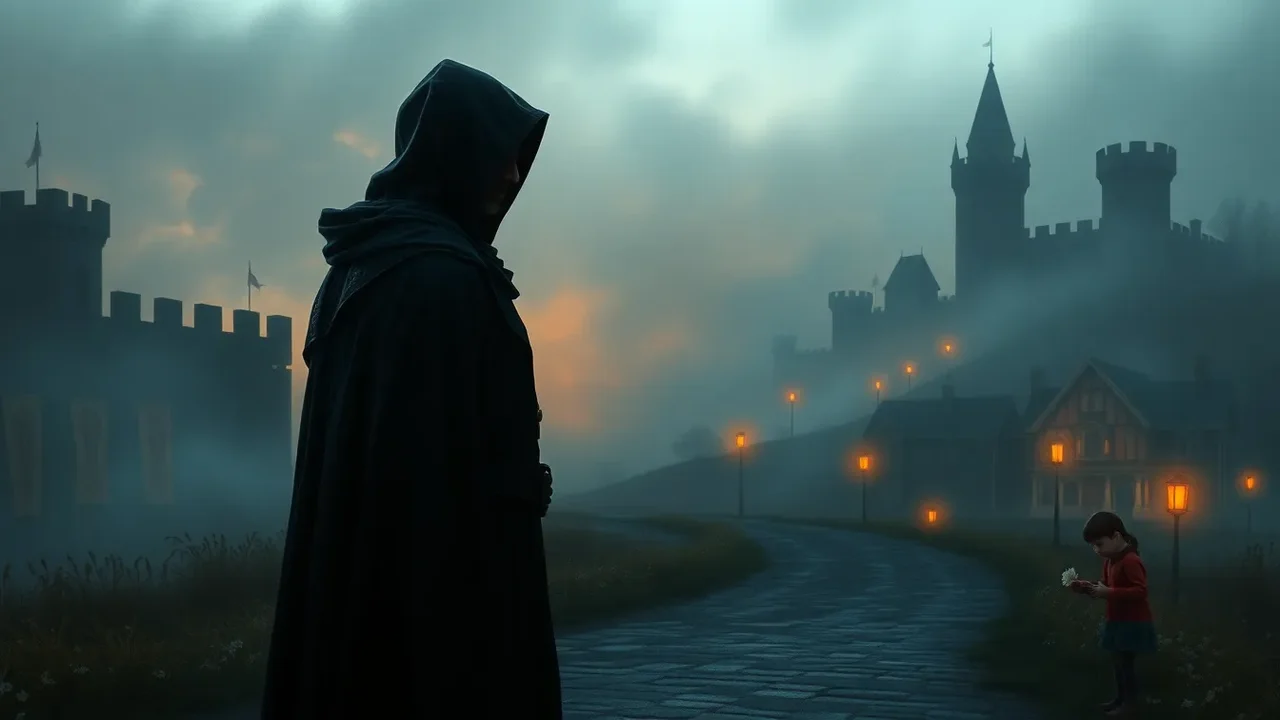
MIE7 Short Review: The Revenge of a Maid - Story and Setting
MIE7 Short Review: The Revenge of a Maid is a brief but intense visual novel that explores class, memory, and retribution. The setting is a sprawling manor called Blackthorn Hall, where wealth has rotted into silence. The protagonist, Elara, once served there as a junior maid. She left after her younger sister, Mira, disappeared without a trace. Years later, a mysterious letter invites Elara back under a false name. She accepts because she wants truth, not forgiveness. The manor is full of locked rooms, dusty portraits, and servants who speak in half-truths. The game uses a limited color palette of browns, grays, and deep greens. This visual choice makes every candlelit room feel heavy with secrets. The story unfolds across three acts, each covering one evening. Act one establishes the household hierarchy and Elara's cover identity. Act two deepens suspicion and reveals small betrayals. Act three forces a confrontation with the family matriarch. The revenge is not bloody. It is social, emotional, and legal. Elara gathers evidence and uses the family's own rules against them. The ending depends on which evidence she finds and which allies she trusts. The narrative avoids easy morality. Some servants are complicit. Some nobles are sympathetic. The game asks whether revenge can restore anything or only redistribute pain. This question lingers after the short runtime ends.
Characters and Emotional Core
Elara is a compelling protagonist because she is not a blank avatar. She has a history, a temper, and a deep well of grief. Her dialogue choices range from polite subservience to cold accusation. The game tracks a hidden trust meter with each major character. This meter affects which scenes unlock and which endings become available. The matriarch, Lady Vesper, is not a simple villain. She is a woman who built her power on secrets and now fears exposure. The head butler, Mr. Crane, represents institutional loyalty. He knows more than he says but fears losing his position. A young stable hand named Tobin offers a rare warmth. He becomes a possible ally or a liability depending on player choices. The missing sister, Mira, appears only in flashbacks and letters. Her absence shapes every room. The writing gives each character a distinct voice. Lady Vesper speaks in formal, cutting sentences. Tobin uses simple, direct language. Crane hides meaning in polite phrases. Elara's internal monologue is sharp and observant. The emotional core is the bond between sisters. Revenge becomes a way to honor a person who can no longer speak. The game avoids melodrama by keeping scenes short. A single glance or a paused sentence carries more weight than a long speech. Players who enjoy character-driven mysteries will find a lot to unpack here. The short length means every interaction matters. There is no filler. Every conversation either reveals a clue or changes a relationship. This density makes the game feel longer than its actual runtime.
Gameplay and Choice Design
The gameplay in MIE7 Short Review: The Revenge of a Maid is minimalist. Players click to advance text, examine objects, and choose dialogue options. There is no inventory system. There is no combat. The challenge comes from reading carefully and remembering details. Some choices are timed, which adds mild pressure. For example, when Lady Vesper asks why Elara returned, the player has ten seconds to pick a lie. A slow response raises suspicion. The game tracks three main variables: suspicion, trust, and evidence. Suspicion rises when Elara asks too many direct questions. Trust rises when she helps other servants. Evidence rises when she finds documents or overhears conversations. These variables determine the final act. A high suspicion run makes the manor hostile. A high trust run opens new dialogue paths. A high evidence run unlocks the best revenge outcome. The game has six endings. Two are bad, two are neutral, and two are good. The good endings differ in tone. One is forgiving. One is punishing. Neither is fully happy. This design encourages multiple playthroughs. A single run takes about ninety minutes. Replaying with different choices reveals new scenes. The skip function is fast and reliable. The game also includes a flowchart that shows which choices led to which ending. This feature is helpful for completionists. The interface is clean and readable. Text size can be adjusted. The background art changes with each scene. The character sprites have limited expressions but strong poses. The music is ambient and never intrusive. Sound effects are used sparingly. A clock ticking or a door creaking can signal danger. The overall gameplay respects the player's time. It does not pad the experience with busywork. Every click serves the story or the mystery.
Presentation, Art, and Sound
The presentation of MIE7 Short Review: The Revenge of a Maid is one of its strongest points. The art style mixes hand-painted backgrounds with sharp digital linework. Blackthorn Hall feels like a character itself. The halls are narrow. The ceilings are high. The windows are dirty. Light comes from candles and fireplaces. Shadows fall in unnatural angles. This creates a constant sense of being watched. The character sprites are detailed but not overly animated. They shift slightly when speaking. Their eyes blink. Their hands move. These small touches add life without breaking the visual novel format. The color grading changes with the story. Act one uses warm browns and golds. Act two adds sickly greens and grays. Act three drains almost all color except for red accents. These red accents appear on important objects. A ribbon, a seal, a stain on a glove. The music is composed of piano, cello, and low drones. It rarely rises above a whisper. This restraint makes the few loud moments more effective. When Elara finally confronts Lady Vesper, the music drops out entirely. Only the sound of rain remains. The voice acting is limited to short grunts and sighs. The game relies on text, not performance. This choice keeps the budget low but the atmosphere high. The user interface looks like an old ledger. Menus are styled as pages and ink. The save screen shows a wax seal. These details reinforce the setting. The game runs smoothly on low-end computers. It has no major bugs. The only technical issue is occasional text overlap on very small screens. A patch has reduced this problem. Overall, the presentation is cohesive and confident. It knows exactly what mood it wants and achieves it without excess.
Replay Value and Endings
Replay value in MIE7 Short Review: The Revenge of a Maid comes from its branching structure. The game is short, but it hides many small variations. A single choice early on can change an entire conversation later. For example, if Elara befriends Tobin in act one, he will help her in act three. If she ignores him, he will betray her out of fear. The six endings are not just different final scenes. They change the meaning of the whole story. The forgiving ending suggests that revenge can be replaced by justice. The punishing ending suggests that revenge only creates new victims. The neutral endings show Elara leaving the manor unchanged. The bad endings show her becoming trapped in the same cycles of secrecy. The game also includes a gallery mode. This mode unlocks character art, background art, and music tracks. Some gallery items require specific endings. This gives players a reason to explore every path. The flowchart is especially useful here. It shows which choices are still locked. Completionists can see exactly where to branch. The game does not punish players for using a guide. It is designed to be replayed. The text skip function is fast. The autosave works well. There are no missable achievements in the traditional sense. The achievements are tied to story milestones. This makes them feel meaningful rather than arbitrary. The total time to see everything is about six hours. For a short visual novel, that is a good value. The game often goes on sale. At full price, it is still cheaper than a movie ticket. The experience is memorable. The characters stay with you. The central question about revenge stays with you. That is the real replay value. You return not just to see new scenes but to reconsider your first interpretation.
Writing, Themes, and Symbolism
The writing in MIE7 Short Review: The Revenge of a Maid is precise and atmospheric. It avoids purple prose. It uses short sentences to create tension. Long sentences appear only in letters and flashbacks. This contrast makes the past feel more romantic and the present more harsh. The themes are clear without being preachy. Class is shown through small details. Servants use back stairs. Nobles use front doors. Servants eat in the kitchen. Nobles eat in the dining room. These physical separations mirror the emotional ones. Memory is another major theme. Elara remembers her sister as perfect. The game slowly reveals that Mira was also flawed. This makes the revenge more complicated. Elara is not just avenging a victim. She is avenging a person she did not fully know. Betrayal is shown as a survival strategy. Some characters betray others to keep their jobs. Some betray to protect their families. The game does not excuse these choices, but it explains them. Symbolism is used lightly. A broken mirror represents fractured identity. A locked garden represents hidden truth. A repeated phrase about clean hands represents guilt. The game never over-explains these symbols. It trusts the player to notice. The dialogue is sharp. Lady Vesper has the best lines. She can insult someone while sounding perfectly polite. Elara's internal thoughts are often sarcastic. This sarcasm provides relief from the heavy mood. The writing also handles the revenge theme with care. It does not glorify violence. It shows that social revenge can be just as destructive. The best ending requires mercy. The worst ending requires cruelty. The game argues that the method matters as much as the goal. This is a mature message for a short visual novel. It elevates the story beyond simple catharsis.
Pacing and Structure
Pacing is critical in a short game. MIE7 Short Review: The Revenge of a Maid understands this. It does not waste time on tutorials. It drops the player into the manor immediately. The first ten minutes establish the mystery. The next twenty minutes build relationships. The final hour escalates the conflict. Each act ends with a major revelation. Act one ends with the discovery of Mira's old room. Act two ends with a stolen letter. Act three ends with a choice that determines the ending. This structure keeps momentum. There are no pointless side quests. There are no fetch tasks. Every scene moves the plot forward. The game also uses quiet moments effectively. A scene where Elara eats alone in the kitchen reveals her isolation. A scene where she watches the nobles dance reveals her exclusion. These moments are not filler. They are character development. The game knows when to slow down. It also knows when to speed up. The final confrontation is fast and tense. Choices come quickly. The wrong choice can lead to a bad ending. This creates a satisfying climax. The epilogue is short but emotional. It shows the consequences of your choices without over-explaining. The pacing respects the player's attention. It never feels rushed. It never feels dragged out. This is rare in short visual novels. Many short games try to do too much. This one does exactly enough. It leaves you wanting more, but not because it is incomplete. It leaves you wanting more because the world is rich. That is a sign of good pacing.
Comparison to Similar Visual Novels
MIE7 Short Review: The Revenge of a Maid invites comparison to other short mystery visual novels. It shares DNA with games like The House in Fata Morgana and The Letter. Both of those games use a confined setting and a cast of suspects. However, MIE7 is much shorter. It focuses on one protagonist and one central mystery. It does not have multiple perspectives. It does not have a large cast. This focus is a strength. It allows the game to go deep rather than wide. Compared to Doki Doki Literature Club, MIE7 is less meta. It does not break the fourth wall. It stays within its historical setting. Compared to Ace Attorney, it has no courtroom sections. The investigation is purely conversational. Compared to Steins;Gate, it has no time travel. The only time travel is through memory. These differences make MIE7 stand out. It is not trying to be a blockbuster. It is a chamber piece. It is a short story rather than a novel. The art style is more realistic than anime-inspired visual novels. The characters look like they belong in a period drama. The music is more ambient than melodic. This makes the game feel like an interactive play. The choices are not about saving the world. They are about saving one person's memory. This small scale is refreshing. It shows that visual novels do not need high concepts to be effective. They need strong writing and clear direction. MIE7 has both. It also has a clear ending. It does not rely on cliffhangers. It tells a complete story. That is increasingly rare. For players tired of endless sequels, this is a welcome change.
Practical Information for New Players
If you plan to play MIE7 Short Review: The Revenge of a Maid, here is practical information. The game is available on PC and some consoles. It costs less than a typical indie game. It has no microtransactions. It has no downloadable content. The base game includes all endings. The controls are simple. You can use a mouse or keyboard. You can also use a controller. The game supports cloud saves. It has Steam achievements. It has a built-in gallery. It has a flowchart. It has text speed options. It has an auto-advance feature. It has a skip read text feature. It has a history log. The history log lets you reread past dialogue. This is useful for catching clues. The game does not have voice acting. It does have sound effects and music. The music can be adjusted separately. The game has no jump scares. It has some tense moments. It has no gore. It has no sexual content. It is suitable for older teenagers. The themes are mature but not explicit. The game takes about ninety minutes for one ending. It takes about six hours for all endings. The best way to play is without a guide. Make choices based on what feels right. Then replay with a guide to see what you missed. The game rewards curiosity. Examine every object. Talk to every character. Pay attention to names and dates. Small details matter. For example, a date on a letter can contradict a character's alibi. A name on a portrait can reveal a hidden family connection. The game does not hold your hand. It expects you to think. That is part of the fun. If you get stuck, the flowchart can help. It shows which choices you have not tried. This makes completion less frustrating. Overall, the game is accessible. It is a good entry point for people new to visual novels. It is also satisfying for veterans who want a tight, well-crafted story.
Strengths and Weaknesses
MIE7 Short Review: The Revenge of a Maid has many strengths. The writing is sharp. The atmosphere is thick. The characters are memorable. The branching is meaningful. The art is beautiful. The music is effective. The pacing is excellent. The endings are satisfying. The game respects the player's time. It does not overstay its welcome. It also has some weaknesses. The short length may disappoint players who want a long epic. The limited voice acting may bother players who prefer full audio. The lack of animation may feel static to some. The game is not action-packed. It is slow and dialogue-heavy. Players who dislike reading will not enjoy it. The mystery is not extremely complex. Most players will guess the main culprit early. The game is more about the journey than the twist. The final act has one choice that feels slightly arbitrary. Some players may feel that the good ending requires a specific sequence that is hard to guess. The game does not signal all consequences clearly. This can lead to frustration on a first run. However, the flowchart mitigates this. The game also has a few typos in the English translation. They are minor and do not ruin the experience. The user interface is functional but not stylish. The save system works but is basic. These weaknesses are small compared to the strengths. The game is a solid recommendation for fans of short visual novels. It is not perfect, but it is memorable. It does what it sets out to do. It tells a complete story with emotional weight. That is more than many longer games achieve.
Who Should Play This Game
MIE7 Short Review: The Revenge of a Maid is for players who enjoy mystery, character drama, and moral ambiguity. It is for players who like to read. It is for players who appreciate atmosphere over action. It is for players who want a complete story in one or two sittings. It is for players who enjoy replaying to see different outcomes. It is for players who like period settings. It is for players who are interested in class dynamics. It is for players who want a revenge story that is not just violence. It is not for players who need fast gameplay. It is not for players who hate reading. It is not for players who want full voice acting. It is not for players who want a long epic. It is not for players who are triggered by themes of loss and betrayal. The game handles these themes with care, but they are central. If you are unsure, try the demo. The demo covers the first act. It gives a good sense of the pacing and style. If you enjoy the demo, you will enjoy the full game. The full game adds more choices and more endings. It also adds more backstory. The price is low enough to take a risk. The game often goes on sale. It is a good gift for a friend who likes visual novels. It is also a good game to stream. The short length makes it easy to finish in one stream. The branching makes it fun to watch different outcomes. The community around the game is small but friendly. There are guides and discussions online. You can find help without spoilers. Overall, this game is a hidden gem. It deserves more attention. It shows what a small team can do with a clear vision.
Table: Endings and Requirements
To help players understand the ending structure, here is a table. It lists the six endings, their tone, and the main requirements. This table contains mild spoilers. It does not reveal specific plot points. It only explains the variables.
| Ending | Tone | Main Requirement |
|---|---|---|
| Ashes | Bad | High suspicion, low evidence |
| Silence | Bad | Low trust, no ally |
| Departure | Neutral | Balanced variables |
| Ledger | Neutral | High evidence, low trust |
| Mercy | Good | High trust, high evidence |
| Judgment | Good | High evidence, high suspicion |
This table shows that the game rewards different playstyles. You do not need to be perfect. You need to be consistent. For example, if you want the Mercy ending, focus on helping servants and gathering proof. If you want the Judgment ending, focus on gathering proof and confronting nobles. The bad endings are not punishments. They are alternate stories. They show what happens when Elara acts out of fear or anger. The neutral endings show compromise. The good endings show growth. Each ending adds a piece to the overall puzzle. The game is designed to be replayed. The table is a tool for planning your next run.
List: Key Tips for First-Time Players
Here is a list of practical tips for your first playthrough. These tips will help you avoid common mistakes. They will not spoil the story.
- Talk to every servant at least once. They often reveal small clues that nobles hide.
- Examine objects twice. Some objects change after certain conversations.
- Save before major confrontations. The game has autosave, but manual saves are safer.
- Pay attention to dates and names. They are often used to catch lies.
- Do not raise suspicion too early. If suspicion is high, some characters will stop talking.
- Build trust with at least one ally. You will need help in the final act.
- Collect evidence even if it seems unimportant. Small details can unlock better endings.
- Use the history log to reread dialogue. It helps you spot contradictions.
- Do not reload immediately after a bad choice. Some bad choices lead to interesting scenes.
- Finish one full playthrough before using a guide. The first experience is best blind.
These tips are based on common player experiences. They will make your first run smoother. They will also help you appreciate the design. The game is fair. It gives you enough information to succeed. It just does not shout the answers. That is part of the challenge. If you follow these tips, you will likely get a good or neutral ending. Then you can replay for the remaining endings. The game is short enough that replaying is not a chore. It is a pleasure. You will notice new details each time. You will understand characters better. You will see how small choices ripple outward. That is the mark of a well-designed visual novel.
Technical Performance and Accessibility
MIE7 Short Review: The Revenge of a Maid runs well on most systems. The system requirements are low. It does not need a powerful graphics card. It does not need a lot of RAM. It loads quickly. It saves quickly. It has no online requirement. It can be played offline. It supports windowed and fullscreen modes. It supports multiple resolutions. It has adjustable text speed. It has adjustable text size. It has adjustable audio levels. It has a colorblind-friendly mode for some puzzles. It does not have a dedicated easy mode. The difficulty is mostly in reading and decision-making. It does not have quick time events. It does not have reflex tests. It is accessible to players with motor impairments. The controls are simple. You can play with one hand. The game does not require fast clicking. The timed choices are generous. You have enough time to read and decide. The game also has a pause function. You can pause during dialogue. You can pause during timed choices. This makes the game less stressful. The game has no online multiplayer. It has no social features. It is a single-player experience. It has Steam Cloud support. It has achievements. It has trading cards. It has a soundtrack available for purchase. The soundtrack includes all music tracks. It also includes some unused tracks. The art book is available separately. It includes concept art and developer commentary. These extras are optional. They are not needed to enjoy the game. The base game is complete. The developers have released a few patches. These patches fixed bugs and improved performance. They did not change the story. The game is stable. It is a polished experience. For a small indie title, it feels professional. The menus are clear. The options are easy to find. The game does not crash. It does not stutter. It is a reliable piece of software. That is worth noting. Many visual novels have technical issues. This one does not.
Final Thoughts and Recommendation
MIE7 Short Review: The Revenge of a Maid is a small game with a large impact. It tells a complete story in a short time. It uses its limitations to create focus. The art, music, and writing work together to build a specific mood. The characters feel real. The choices feel meaningful. The endings feel earned. The game does not try to be everything. It tries to be one thing and does it well. It is a revenge story, but it is also a story about memory and class. It asks hard questions. It does not provide easy answers. It respects the player's intelligence. It rewards careful reading. It punishes thoughtless clicking. It is a game that stays with you after the credits roll. You will think about Elara. You will think about Mira. You will think about Lady Vesper. You will wonder if you made the right choice. That is the sign of good art. It does not just entertain. It provokes. It does not just pass time. It creates meaning. For the price, it is an easy recommendation. If you like visual novels, buy it. If you are curious about visual novels, try it. If you want a short, atmospheric mystery, play it. It is not perfect. It is not for everyone. But it is excellent at what it does. It is a hidden gem. It deserves a place in your library. It deserves a sequel, though it does not need one. It stands alone. It is complete. It is a short review of a short game, but the impression is long. That is the highest praise I can give.
FAQ - MIE7 Short Review: The Revenge of a Maid
What is MIE7 Short Review: The Revenge of a Maid about?
It is a short visual novel about a maid named Elara who returns to a wealthy manor to uncover the truth behind her sister's disappearance and seek a quiet, social form of revenge.
How long does the game take to finish?
One playthrough takes about ninety minutes. Seeing all six endings and most scenes takes around six hours.
Does the game have multiple endings?
Yes. There are six endings based on suspicion, trust, and evidence. Two are bad, two are neutral, and two are good.
Is MIE7 Short Review: The Revenge of a Maid suitable for younger players?
It is suitable for older teenagers. It has mature themes like loss and betrayal but no gore, sexual content, or jump scares.
What platforms is the game available on?
It is available on PC and some consoles. It supports cloud saves, achievements, and a built-in gallery.
Do I need a guide to get the best ending?
No. The game is fair and rewards careful reading. A guide can help for completion, but a blind first run is recommended.
MIE7 Short Review: The Revenge of a Maid is a short visual novel about a maid uncovering her sister's disappearance in a decaying manor. It offers six endings, meaningful choices, strong atmosphere, and a mature revenge story that rewards careful reading and replaying.
MIE7 Short Review: The Revenge of a Maid is a compact, atmospheric visual novel that delivers a complete and emotionally resonant story. Its strong writing, meaningful choices, and multiple endings make it a worthwhile experience for fans of mystery and character drama. While short, it leaves a lasting impression and proves that small games can ask big questions about justice, memory, and revenge.