The Architecture of a MIE7 Tiny Drama
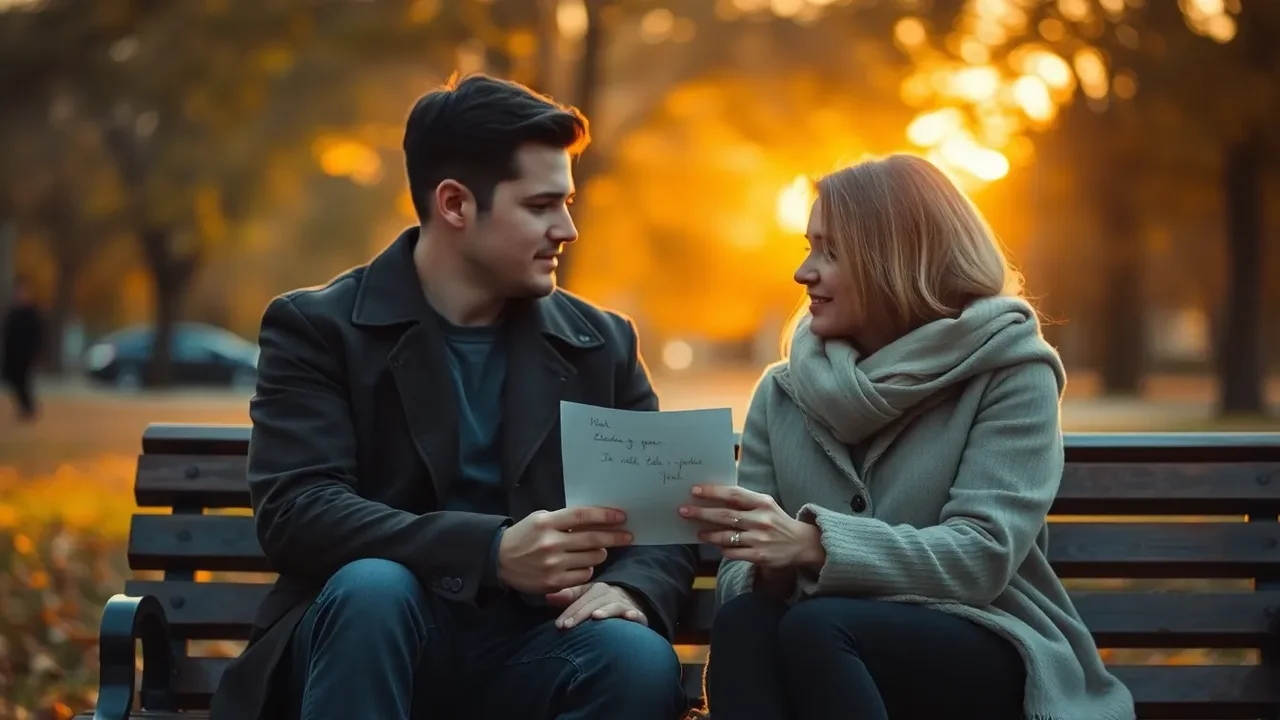
MIE7 tiny dramas are compact narrative engines built to deliver an emotional punch within seconds. Unlike traditional short films that rely on lengthy setup, MIE7 uses a precise architecture: a single inciting image, a rapid escalation, and a resonant final beat. The format typically runs between fifteen and ninety seconds, yet it can feel as complete as a feature. This compression is not a limitation; it is a deliberate design choice. By stripping away exposition, MIE7 forces every frame, every line, and every silence to carry meaning. The result is a story that lands directly in the viewer's chest, often before the mind has time to analyze it.
Micro Runtime, Macro Feeling
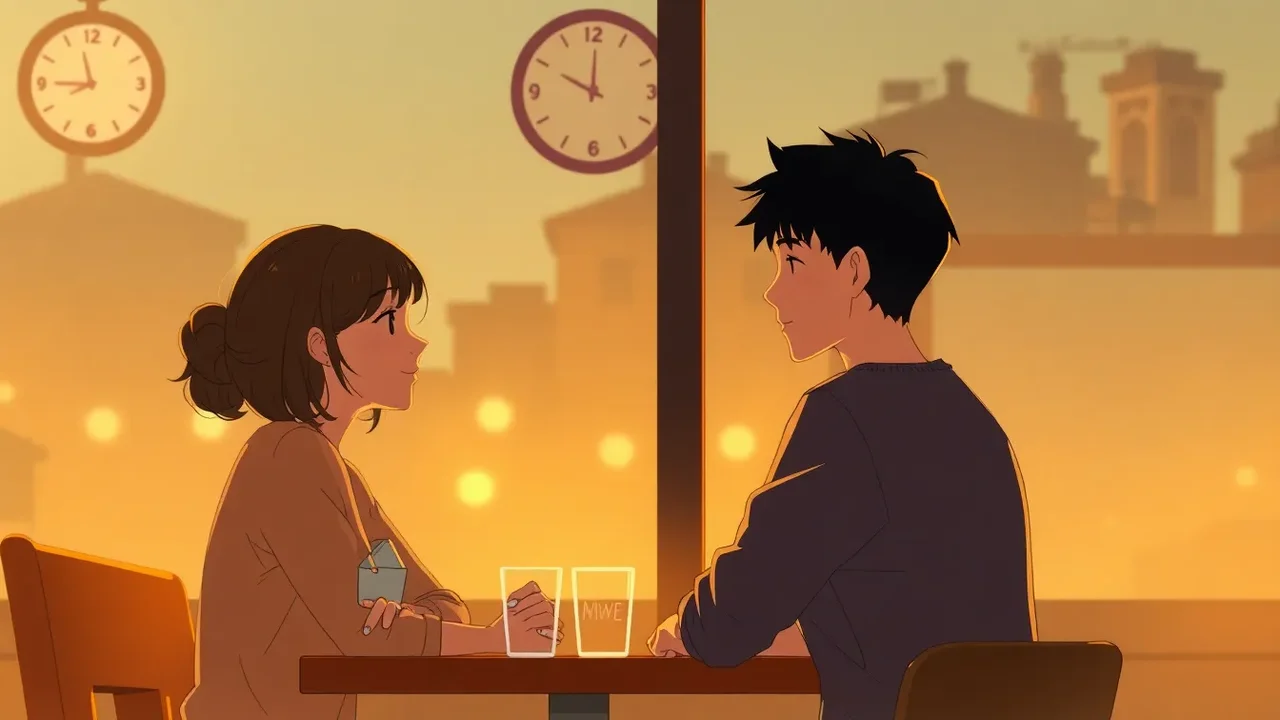
The term micro runtime describes the clock time of a MIE7 drama, but macro feeling describes its emotional footprint. A thirty-second piece can leave a viewer thinking about it for hours. The secret lies in emotional contrast. A tiny drama might open with a warm, ordinary moment, then pivot sharply to loss, longing, or revelation. Because the runtime is so short, the pivot feels sudden and intimate, like a whispered secret. The viewer does not have time to build defenses. They are caught off guard, and that vulnerability is precisely what makes the emotion stick. MIE7 creators often say that the shorter the piece, the bigger the emotional risk, and the greater the reward.
Why Brevity Amplifies Emotion
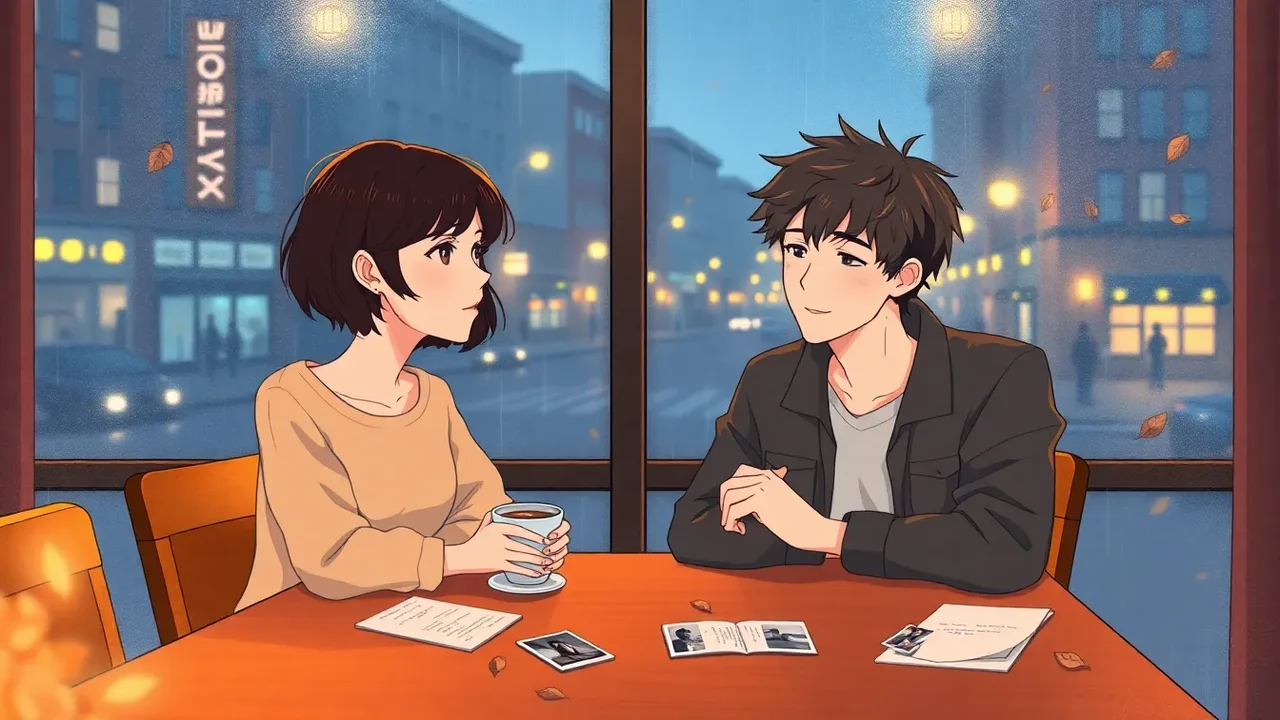
Brevity amplifies emotion through a phenomenon called emotional compression. When a story is compressed, the brain fills in gaps with personal memories and associations. A character's single tear becomes every tear the viewer has ever held back. A door left ajar becomes every missed opportunity. MIE7 leverages this by leaving deliberate negative space. Instead of showing the full argument, it shows the moment after. Instead of explaining the history, it shows a photograph, a scar, or an empty chair. The viewer becomes a co-creator, and co-created emotions are stronger because they feel self-generated. This is why a fifteen-second MIE7 drama can move someone more than a two-hour film that overexplains.
The Psychology of Micro-Storytelling
Psychologically, humans are wired for narrative. Even in fragments, we automatically construct cause and effect. MIE7 exploits this tendency by presenting just enough information to trigger a complete story in the viewer's mind. A woman checking her phone, a man packing a suitcase, a child waiting at a window: these three images can imply a decade of heartbreak. The brain's default mode network activates, weaving together memory and empathy. Moreover, micro-storytelling reduces cognitive load. There is no subplot to track, no complex timeline to untangle. All attention is available for emotional processing. This focused attention creates a deeper imprint, similar to how a single note played on a violin can be more moving than an entire orchestra.
Character in a Flash
Creating a memorable character in a MIE7 drama requires economy. You cannot rely on backstory dumps or long conversations. Instead, you use a single defining action, object, or gesture. A character who straightens a picture frame before leaving a house tells us they are orderly, nostalgic, and perhaps hiding pain. A character who laughs too loudly at a funeral tells us they are grieving in their own way. MIE7 actors are trained to deliver these micro-signals with precision. A flicker of the eyes, a pause before a reply, a hand that almost reaches out but retreats: these are the building blocks of instant empathy. The audience does not need to know everything about the character; they only need to feel one true thing.
The Power of the Unsaid
In MIE7, silence is not empty. It is loaded. A pause can carry more weight than a monologue. When a character stops mid-sentence, the viewer leans in. When a phone rings and no one answers, the absence becomes a presence. This technique works because humans are naturally attuned to social cues. We read meaning into what is missing. MIE7 creators use silence to let emotions breathe and to give the audience space to project their own experiences. A tiny drama about a soldier returning home might show only a long hug and a trembling breath. No words are needed. The unsaid says everything: relief, fear, guilt, love.
Sound and Silence in MIE7
Sound design in MIE7 is both a scalpel and a sledgehammer. Because the visual field is often minimal, audio becomes a primary emotional channel. A single ambient sound, like a ticking clock or distant traffic, can establish place and mood instantly. A sudden absence of sound can signal shock or devastation. Music, when used, is usually sparse: a piano note, a low drone, a hummed melody. The goal is not to tell the viewer how to feel but to amplify what they already feel. Many MIE7 dramas use diegetic sound exclusively, meaning the sound comes from the story world. This choice increases realism and intimacy. When a character hears something, the audience hears it too, creating a shared sensory experience.
Visual Grammar of Tiny Dramas
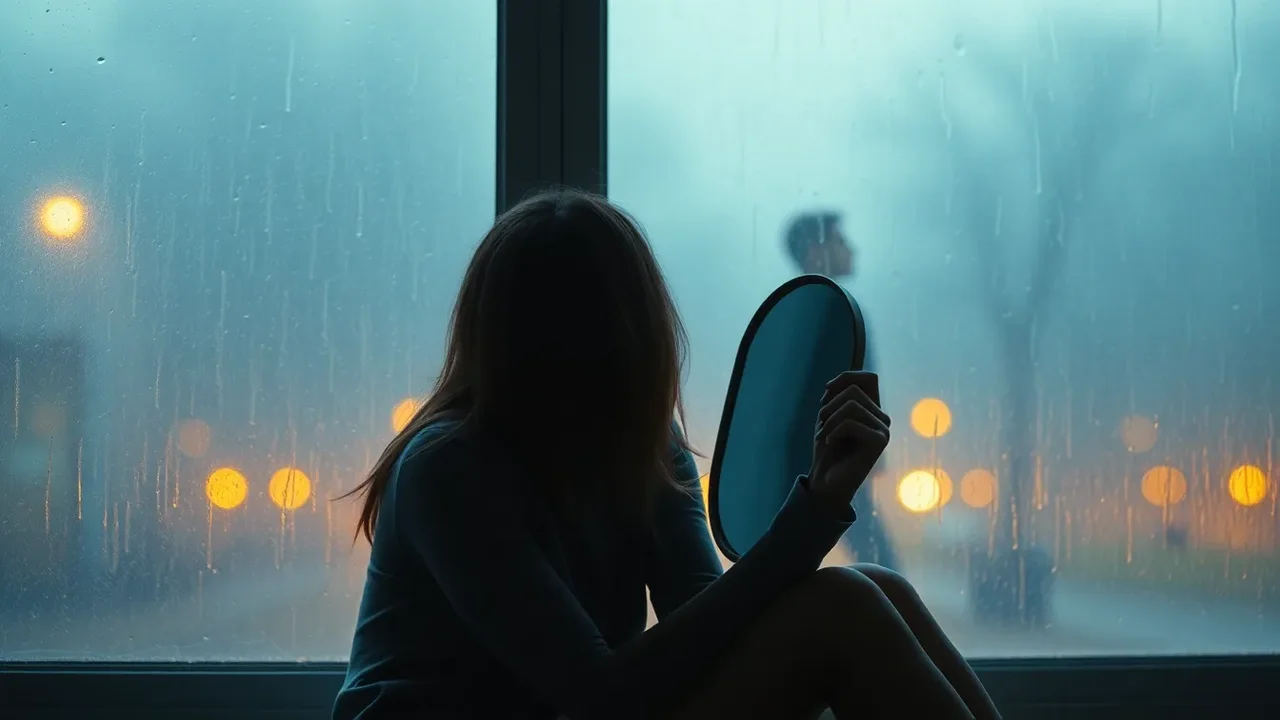
MIE7 has developed a distinct visual grammar. Close-ups dominate because they convey emotion quickly. A face fills the frame, and every micro-expression becomes a plot point. Lighting is often natural or single-source, creating contrast and shadow that suggest inner conflict. Color palettes are restrained: muted blues for grief, warm ambers for memory, sterile whites for isolation. Camera movement is minimal; a slow push-in can feel like a held breath. Editing is rhythmic, sometimes cutting on a blink or a heartbeat. These choices are not arbitrary. They are designed to bypass analytical thinking and speak directly to the limbic system, the brain's emotional center. The result is a visual language that feels universal yet deeply personal.
Table: Emotional Beats in a 60-Second MIE7 Drama
| Time | Beat | Emotional Function |
|---|---|---|
| 0-5s | Hook image | Curiosity and immediate orientation |
| 5-15s | Inciting gesture | Empathy and investment |
| 15-30s | Rising tension | Anticipation and discomfort |
| 30-45s | Turning point | Surprise or recognition |
| 45-55s | Emotional peak | Release, grief, joy, or awe |
| 55-60s | Resonant image | Lingering reflection |
Practical Techniques for Creators
Creating a MIE7 tiny drama that packs big emotions requires discipline and experimentation. Start with a single emotional truth you want to convey, not a plot. Ask yourself: what is the one feeling I want the viewer to carry away? Then find the smallest possible story that delivers that feeling. Cut every line of dialogue that does not reveal character or advance emotion. Use objects as symbols. Cast actors who can convey complex emotions with their faces alone. Rehearse the piece until every gesture is intentional. Finally, edit ruthlessly. If a shot does not add emotional information, remove it. The goal is not to impress with complexity but to move with simplicity.
- Start with emotion, not plot: Identify the core feeling before writing any dialogue.
- Use one location: A single room or street corner can contain a universe of feeling.
- Limit characters to two or three: Fewer characters mean deeper focus on each.
- Show the aftermath: The moment after a crisis often carries more emotion than the crisis itself.
- Let silence work: Do not fill every second with sound or words.
- End on an image: A final visual can resonate longer than a final line.
- Test with real viewers: Watch where they lean in, where they look away, and where they cry.
Common Pitfalls and How to Avoid Them
Even experienced creators fall into traps when making MIE7 dramas. One common pitfall is over-explaining. When you tell the audience what to feel, you rob them of the discovery. Trust the images. Another pitfall is rushing the emotional peak. Even in a thirty-second piece, you need a moment of stillness before the climax. A third pitfall is using music as a crutch. If the scene only works with a sad violin, it does not work. A fourth pitfall is casting for looks rather than emotional range. A beautiful face that cannot register subtle feeling will flatten the drama. Finally, avoid the temptation to add a twist for its own sake. A twist should deepen emotion, not distract from it. When in doubt, simplify.
Measuring Emotional Impact
How do you know if a MIE7 tiny drama has packed big emotions? Traditional metrics like views and likes are useful, but they do not capture resonance. Look for comments that share personal stories. Watch for rewatches, especially of the final seconds. Track shares to private messages, which often indicate a piece hit a nerve. Physiological measures, such as heart rate variability or facial expression analysis, can provide deeper data. But the most reliable measure is the pause. After the video ends, does the viewer sit still for a moment? That pause is the signature of emotional impact. It means the story has not ended for them; it is still unfolding inside.
Case Study: The Last Candle
Consider a MIE7 drama called The Last Candle. It runs forty-two seconds. A young woman lights a candle in a dark room. She stares at it. A phone buzzes. She does not answer. She blows out the candle. The screen goes black. That is the entire story. Yet viewers report feeling grief, loneliness, and hope simultaneously. The candle represents a vigil, a birthday, a prayer, or a memory. The unanswered phone suggests a relationship in crisis. The blowing out of the candle could be surrender or release. Because the drama refuses to explain, each viewer completes it differently. This is the MIE7 paradox: the less you show, the more they feel. The Last Candle has been shared millions of times, and its comments are filled with personal stories of loss and resilience.
MIE7 vs Traditional Shorts
Traditional short films often have runtimes of five to twenty minutes. They can afford character development, subplots, and world-building. MIE7 dramas cannot. But this constraint is not a disadvantage; it is a different art form. Traditional shorts ask you to invest. MIE7 dramas ask you to feel immediately. Traditional shorts build emotion through accumulation. MIE7 dramas build emotion through compression and release. Traditional shorts often end with resolution. MIE7 dramas often end with resonance. The two forms are not competitors; they are complementary. A viewer might watch a MIE7 drama in line at a coffee shop and a traditional short on a weekend evening. Each satisfies a different emotional need. Understanding this distinction helps creators choose the right form for their story.
Audience Resonance and Platform Fit
MIE7 dramas thrive on platforms that prioritize quick, intimate viewing. Vertical video formats, mobile-first design, and autoplay features all favor the tiny drama. The audience is often alone, holding a phone close to their face. This proximity creates a sense of privacy and direct address. The story feels like it is happening just for them. Platforms that encourage comments and sharing amplify the emotional effect because viewers can immediately connect with others who felt the same thing. However, MIE7 is not limited to social media. It can be used in advertising, education, therapy, and even museum installations. Any context that values emotional impact over information density is a natural home for MIE7. The key is to match the drama's intimacy with the viewing environment.
Ethical Storytelling in Tiny Dramas
With great emotional power comes great responsibility. MIE7 creators can manipulate feelings as easily as they can move them. Ethical storytelling requires consent, respect, and honesty. Do not exploit real trauma for clicks. Do not use deceptive editing to create false narratives. Do not pressure viewers into emotional responses they did not choose. Instead, aim for catharsis, not manipulation. Give viewers room to feel without feeling used. Represent diverse experiences authentically. Pay actors fairly. Credit collaborators. And always ask: would I be comfortable if this story were told about me or someone I love? If the answer is no, reconsider. The most powerful MIE7 dramas are those that honor the dignity of their subjects while still delivering a punch.
Future of MIE7 and Emotional Micro-Drama
The future of MIE7 is likely to be interactive and personalized. Imagine a tiny drama that adapts its emotional beats based on your facial expression. Or a series of micro-dramas that build a larger narrative across days. Advances in AI and sensor technology could make these possibilities real. But the core principle will remain: small stories, big feelings. As attention spans fragment and screens multiply, the demand for emotionally efficient storytelling will only grow. MIE7 is well-positioned to meet that demand. It offers a humane alternative to endless scrolling: a moment of genuine feeling in a digital world that often feels hollow. The tiny drama is not a passing trend. It is a new language for the human heart.
The Role of Music in MIE7
Music in MIE7 is not background; it is a character. Because the runtime is short, a single musical motif can carry the entire emotional arc. A two-note phrase, repeated with slight variations, can signal hope, then doubt, then resolve. Many MIE7 creators use silence as a musical element, dropping all sound for a beat to create a vacuum that the next note fills with meaning. The best scores are minimalist and memorable. They do not compete with the visuals; they breathe with them. When music and image align perfectly, the viewer feels a physical sensation, often described as chills or a tightening in the chest. This is the goal: not to tell the viewer what to feel, but to create the conditions for feeling to arise naturally.
Acting for the Micro Screen
Acting in MIE7 is a specialized craft. The camera is often inches from the actor's face, so every micro-expression is magnified. There is no place to hide. Actors must be able to cry on cue, but more importantly, they must be able to almost cry. The almost-tear is often more powerful than the tear itself. They must listen with their whole body, because reactions are the story. They must trust silence. In a MIE7 drama, a single blink can be a plot twist. Directors often ask actors to do less, not more. The result is a performance style that feels raw, unadorned, and deeply human. Training for MIE7 often includes meditation, improvisation, and emotional recall exercises. The goal is not to perform emotion but to inhabit it.
Writing Dialogue That Cuts
Dialogue in MIE7 must be surgical. Every word costs time, so every word must earn its place. Forget exposition. Forget small talk. Start in the middle of a conversation, or better, start after the conversation has ended. A single line can reveal an entire relationship. For example: I kept your key. Or: You never called. Or: It is not your fault. These lines work because they imply a history without stating it. Subtext is everything. What is not said is often more important than what is. Writers for MIE7 often use the rule of one: one idea, one conflict, one turn per scene. If a line does not change the emotional temperature, cut it. The best MIE7 dialogue feels like poetry: compressed, rhythmic, and resonant.
Editing for Emotional Rhythm
Editing a MIE7 drama is like composing music. The editor controls tempo, pause, and emphasis. A cut on a glance can create anticipation. A hold on a reaction can create empathy. A jump cut can create disorientation. The editor must feel the emotional beat of each shot and arrange them so the viewer's heart follows. Often, the most powerful edit is no edit at all: a long take that lets a moment breathe. But even long takes are rhythmic, with subtle shifts in focus or posture. MIE7 editors often work with rough cuts, watching the piece with sound off to see if the emotion reads visually. Then they add sound and music to enhance what is already there. The final edit should feel inevitable, as if the story could not have been told any other way.
Distribution and Discovery
Getting a MIE7 drama seen is part art, part science. The first three seconds must hook the viewer, because platforms often autoplay without sound. Use a striking visual, a question, or a moment of tension. Captions and subtitles are essential for accessibility and for silent viewing. Thumbnails should suggest emotion, not just action. Hashtags and descriptions should invite personal reflection. But the most powerful distribution tool is shareability. If a MIE7 drama makes someone feel understood, they will send it to a friend who needs it. That private share is worth more than a million passive views. Build for the share, not just the view. Create stories that people want to pass on like a secret. That is how tiny dramas become big movements.
Collaboration in MIE7 Production
MIE7 production is often a small-team effort. A typical crew might include a director, a writer, a cinematographer, an editor, and a sound designer. Because the pieces are short, roles can overlap. The director might also operate the camera. The writer might also edit. This intimacy can be an advantage: everyone understands the emotional goal, and there is less room for miscommunication. Collaboration in MIE7 requires trust and vulnerability. Team members must be willing to share personal experiences to inform the work. They must also be willing to cut their favorite shot if it does not serve the emotion. The best MIE7 teams operate like a jazz ensemble: each person listens, responds, and improvises within a shared structure. The result is a piece that feels alive and spontaneous, even though it is carefully crafted.
Accessibility and Emotional Universality
MIE7 dramas are uniquely accessible. They do not require a large screen, a quiet room, or a long attention span. They can be watched on a phone during a commute, in a waiting room, or in bed at night. This accessibility means they can reach audiences who are often excluded from traditional cinema: people with disabilities, people with low bandwidth, people with busy lives. Moreover, because MIE7 relies on universal emotions rather than complex plots, it crosses language and cultural barriers. A story about a mother and child, a lost pet, or a first love can resonate anywhere. Subtitles help, but often the emotion is legible without them. This universality is not about homogenizing stories; it is about finding the common thread of human feeling that runs through all our differences.
The Enduring Power of Small Stories
The enduring power of small stories lies in their ability to meet us where we are. We are not always ready for a epic. We are not always able to commit to a long narrative. But we are almost always able to feel something for a few seconds. MIE7 tiny dramas honor that capacity. They do not demand; they offer. They do not shout; they whisper. And in that whisper, they can say more than a shout ever could. A glance, a breath, a hand reaching out: these are the atoms of human connection. MIE7 arranges them into molecules of meaning. The result is a form of storytelling that is both ancient and new. Ancient because humans have always told stories around fires and in doorways. New because the technology and the pace of modern life have made the tiny drama not just possible but necessary. As long as people have feelings, they will need stories that help them feel them. MIE7 answers that need, one tiny drama at a time.
FAQ - Why MIE7's Tiny Dramas Pack Big Emotions
What makes MIE7 tiny dramas different from ordinary short videos?
MIE7 tiny dramas are designed around emotional compression. They use precise visual grammar, minimal dialogue, and deliberate silence to trigger personal memories and empathy in under ninety seconds. Unlike ordinary short videos, every frame and sound is chosen to maximize emotional impact.
How can a fifteen-second video feel so emotional?
Brevity forces the brain to fill in gaps with personal experience. When a story is compressed, a single tear or a paused gesture becomes universal. The viewer becomes a co-creator, and self-generated emotions feel stronger and more lasting.
Do I need expensive equipment to create a MIE7 tiny drama?
No. A smartphone, a single location, and one or two actors are enough. The format rewards creativity, not budget. Constraints like limited time and space often push creators to be more precise and emotionally honest.
What are the most common mistakes in MIE7 storytelling?
Over-explaining, rushing the emotional peak, relying on music as a crutch, casting for looks instead of emotional range, and adding twists that distract from feeling. Trust the images and let silence work.
How do I know if my MIE7 drama has emotional impact?
Look for the pause. After the video ends, do viewers sit still? Do they rewatch the final seconds? Do they share it privately? Comments that reveal personal stories are the strongest sign that your tiny drama has packed big emotions.
Is MIE7 suitable for all audiences?
Yes, but ethical storytelling matters. Avoid exploiting real trauma, use consent, represent diverse experiences authentically, and aim for catharsis rather than manipulation. MIE7 can be universal when it respects its subjects.
MIE7 tiny dramas pack big emotions by using brevity, silence, and visual precision to trigger personal memories and empathy. Their compressed runtime forces every gesture to carry meaning, allowing viewers to complete the story themselves. This emotional compression creates a lasting impact that often surpasses longer films, making MIE7 a powerful new storytelling language.
MIE7 tiny dramas pack big emotions because they trust the audience. By compressing story, dialogue, and time, they leave room for viewers to project their own memories and feelings. This collaboration between creator and viewer creates a deeply personal experience that lingers long after the screen goes dark. In a world of noise, MIE7 speaks in whispers that echo.